
Introduction
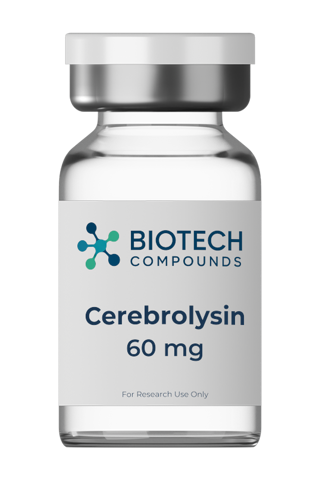
The Cerebrolysin mechanism of action represents a complex interplay of neuroprotective pathways that have garnered significant attention in neurodegeneration research. As a standardized preparation derived from enzymatic processing of purified porcine brain tissue, Cerebrolysin contains approximately 25% low molecular weight peptides below 10,000 Da and 75% free amino acids. Cerebrolysin mechanism of action's unique composition enables multiple therapeutic mechanisms that researchers investigate for their potential in treating neurodegenerative conditions, particularly Alzheimer's disease.
Understanding how Cerebrolysin functions at the molecular level requires examination of its diverse peptide components and their interactions with neuronal systems. The preparation includes essential amino acids such as aspartic acid, glutamic acid, serine, histidine, glycine, threonine, alanine, arginine, valine, methionine, tryptophan, isoleucine, phenylalanine, leucine, lysine, and proline. Each component contributes to the overall neuroprotective profile through distinct cellular pathways.
Cerebrolysin Mechanism of Action: Molecular Pathways
The primary Cerebrolysin mechanism of action involves activation of neurotrophic signaling cascades that promote neuronal survival and regeneration. Research demonstrates that Cerebrolysin enhances brain-derived neurotrophic factor (BDNF) expression, which plays crucial roles in synaptic plasticity and neuronal maintenance [1]. Cerebrolysin mechanism of action mixture activates BDNF gene expression through multiple transcription factors, including CREB and NF-κB pathways.
Neurotrophic factor modulation extends beyond BDNF to include nerve growth factor (NGF) and other members of the neurotrophin family. Studies show that Cerebrolysin treatment increases NGF levels in both cortical and hippocampal regions, areas particularly affected in Alzheimer's disease [2]. Cerebrolysin mechanism of action appears to enhance neurotrophic factor synthesis through post-transcriptional mechanisms, increasing both mRNA stability and protein translation efficiency.
Additionally, the Cerebrolysin mechanism of action involves direct neuroprotection against excitotoxicity and oxidative stress. Cerebrolysin mechanism of action preparation reduces glutamate-induced calcium influx and stabilizes mitochondrial membrane potential, preventing apoptotic cascade activation [3]. These protective effects occur through modulation of calcium channels and enhancement of cellular antioxidant systems, including superoxide dismutase and catalase activity.
Alzheimer's Disease Research Applications
In Alzheimer's disease research, the Cerebrolysin mechanism of action targets multiple pathological processes simultaneously. Cerebrolysin mechanism of action demonstrates anti-amyloid properties by reducing amyloid-beta peptide aggregation and promoting clearance mechanisms [4]. Cerebrolysin treatment enhances microglial phagocytic activity, improving the brain's ability to clear amyloid plaques that characterize Alzheimer's pathology.
Tau protein pathology represents another target for Cerebrolysin's therapeutic mechanisms. Research indicates that Cerebrolysin mechanism of action preparation reduces tau hyperphosphorylation through modulation of kinase and phosphatase activities [5]. Specifically, Cerebrolysin decreases activity of glycogen synthase kinase-3β (GSK-3β), a primary kinase responsible for pathological tau phosphorylation in Alzheimer's disease.
Cerebrolysin mechanism of action's effects on neuroinflammation provide additional therapeutic benefits in Alzheimer's research. Cerebrolysin reduces pro-inflammatory cytokine production, including tumor necrosis factor-α (TNF-α) and interleukin-1β (IL-1β), while enhancing anti-inflammatory mediators such as IL-10 [6]. The mechanism involves inhibition of nuclear factor-κB (NF-κB) translocation and reduction of microglial activation states associated with neurodegeneration.
Synaptic Plasticity and Cognitive Enhancement
The Cerebrolysin mechanism of action significantly impacts synaptic plasticity mechanisms crucial for learning and memory formation. Research demonstrates that Cerebrolysin enhances long-term potentiation (LTP) in hippocampal circuits through multiple pathways [7]. Cerebrolysin mechanism of action increases presynaptic neurotransmitter release probability and enhances postsynaptic receptor sensitivity, improving overall synaptic transmission efficiency.
Dendritic spine morphology changes represent another aspect of Cerebrolysin's cognitive enhancement mechanisms. Studies show increased dendritic spine density and improved spine maturation following Cerebrolysin treatment [8]. Cerebrolysin mechanism of action preparation promotes actin cytoskeleton reorganization and enhances spine stability through activation of Rho-family GTPases and downstream effector proteins.
Neurotransmitter system modulation contributes to the cognitive benefits observed in Cerebrolysin research. Cerebrolysin mechanism of action enhances cholinergic transmission by increasing acetylcholine synthesis and reducing acetylcholinesterase activity [9]. These effects are particularly relevant for Alzheimer's disease research, given the significant cholinergic deficits observed in this condition. Cerebrolysin also modulates dopaminergic and serotonergic systems, contributing to improved cognitive function and mood regulation.
Cellular Protection and Repair Mechanisms
At the cellular level, the Cerebrolysin mechanism of action involves comprehensive neuroprotective strategies that address multiple forms of neuronal damage. Cerebrolysin mechanism of action enhances cellular energy metabolism by improving mitochondrial function and increasing ATP production efficiency [10]. Research demonstrates that Cerebrolysin treatment increases mitochondrial biogenesis through activation of PGC-1α and related transcription factors.
DNA repair mechanisms receive enhancement through Cerebrolysin treatment, with studies showing increased expression of DNA repair enzymes and reduced DNA damage markers [11]. Cerebrolysin mechanism of action activates poly(ADP-ribose) polymerase (PARP) and other DNA repair pathways that protect neurons from oxidative and metabolic stress. These effects are particularly important in aging-related neurodegeneration where DNA damage accumulation contributes to cellular dysfunction.
Protein homeostasis represents another target for Cerebrolysin's protective mechanisms. Cerebrolysin mechanism of action preparation enhances proteasome activity and autophagy pathways responsible for clearing misfolded proteins [12]. In Alzheimer's disease research, these mechanisms are crucial for removing pathological protein aggregates and maintaining cellular protein quality control systems.
Clinical Research and Therapeutic Potential
Clinical studies investigating the Cerebrolysin mechanism of action in Alzheimer's disease have revealed promising therapeutic potential. Large-scale randomized controlled trials demonstrate cognitive improvements and reduced disease progression in patients receiving Cerebrolysin treatment [13]. Cerebrolysin mechanism of action's multi-target approach addresses the complex pathophysiology of Alzheimer's disease more comprehensively than single-target therapeutic strategies.
Neuroimaging studies provide additional evidence for Cerebrolysin's therapeutic mechanisms in human subjects. Functional magnetic resonance imaging (fMRI) reveals enhanced brain connectivity and improved activation patterns in regions affected by Alzheimer's disease [14]. Positron emission tomography (PET) studies show reduced amyloid burden and improved glucose metabolism following Cerebrolysin treatment, confirming Cerebrolysin mechanism of action's neuroprotective effects translate to clinical benefits.
Biomarker studies support the clinical relevance of Cerebrolysin's mechanisms of action. Research demonstrates reduced cerebrospinal fluid levels of tau and phosphorylated tau following treatment, indicating decreased neuronal damage [15]. Additionally, increased BDNF levels in both cerebrospinal fluid and serum confirm Cerebrolysin mechanism of action's neurotrophic effects in human subjects.
Research Applications and Future Directions
Current research continues to elucidate additional aspects of the Cerebrolysin mechanism of action, with emerging studies focusing on epigenetic modifications and gene expression regulation. Cerebrolysin mechanism of action appears to influence DNA methylation patterns and histone modifications associated with neuroplasticity and neuroprotection [16]. These epigenetic effects may contribute to the sustained benefits observed in long-term treatment studies.
Combination therapy research explores how Cerebrolysin's mechanisms complement other therapeutic approaches for neurodegeneration. Studies investigate synergistic effects with cholinesterase inhibitors, NMDA receptor antagonists, and novel disease-modifying agents [17]. The multi-modal mechanism of action makes Cerebrolysin an attractive candidate for combination strategies targeting different aspects of Alzheimer's pathology.
Personalized medicine approaches seek to identify biomarkers that predict individual responses to Cerebrolysin treatment. Genetic polymorphisms affecting neurotrophic factor expression and metabolism may influence treatment outcomes [18]. Understanding these individual differences will enable more targeted therapeutic applications and improved clinical outcomes.
Conclusion
The Cerebrolysin mechanism of action encompasses multiple neuroprotective and neurorestorative pathways that address key aspects of neurodegeneration, particularly in Alzheimer's disease research. Through modulation of neurotrophic factors, synaptic plasticity, cellular protection, and protein homeostasis, Cerebrolysin demonstrates comprehensive therapeutic potential. Cerebrolysin mechanism of action's ability to target multiple pathological processes simultaneously makes it a valuable research tool for investigating complex neurodegenerative mechanisms. Researchers seeking to explore these mechanisms further can explore Cerebrolysin for their laboratory investigations into neurodegeneration and potential therapeutic interventions. Learn more about Cerebrolysin research.