
Introduction
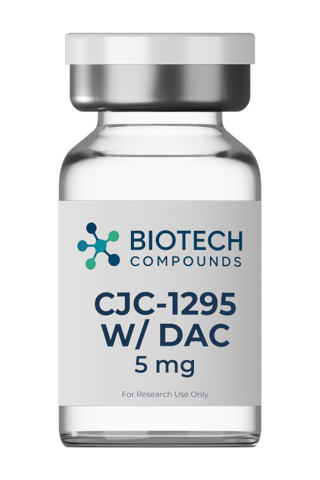
Research on GH secretion suggests that Research on pituitary peptide suggests that Understanding the CJC-1295 DAC mechanism of action provides crucial insights into how this synthetic peptide analog functions within biological systems. CJC-1295 with Drug Affinity Complex (DAC) represents a significant advancement in growth hormone releasing hormone (GHRH) analog research, offering extended activity through its unique molecular design. CJC-1295 DAC mechanism of action's ability to bind albumin in the bloodstream creates a sustained-release profile that distinguishes it from conventional GHRH analogs and shorter-acting peptides.
Researchers studying growth hormone regulation and metabolic processes have shown particular interest in CJC-1295 DAC mechanism of action due to its prolonged duration of action and consistent hormone elevation patterns. The tetrasubstituted structure of CJC-1295 with DAC creates specific binding characteristics that extend far beyond those observed in native GHRH, making it valuable for investigating long-term physiological responses to growth hormone stimulation.
CJC-1295 DAC Mechanism of Action: Molecular Pathways
The CJC-1295 W/ DAC mechanism centers on its interaction with growth hormone releasing hormone receptors (GHRH-R) located on anterior pituitary somatotrophs. Upon binding to these receptors, CJC-1295 DAC mechanism of action activates adenylyl cyclase, leading to increased cyclic adenosine monophosphate (cAMP) levels within the cell. This elevation in cAMP triggers protein kinase A (PKA) activation, which subsequently phosphorylates transcription factors responsible for growth hormone gene expression.
The Drug Affinity Complex modification creates CJC-1295 DAC mechanism of action's most distinctive characteristic: its ability to form non-covalent bonds with serum albumin. This albumin binding occurs through specific amino acid substitutions that create hydrophobic interactions with albumin's binding sites. The resulting peptide-albumin complex acts as a circulating reservoir, slowly releasing active CJC-1295 over an extended period.
Research indicates that this albumin-binding mechanism extends CJC-1295 DAC mechanism of action's half-life from minutes to several days, fundamentally altering its pharmacokinetic profile [1]. The gradual release from albumin binding sites maintains consistent receptor activation, leading to sustained growth hormone secretion rather than the pulsatile release observed with unmodified GHRH analogs.
Some subjects in research studies report experiencing a warm flush sensation following administration, which researchers attribute to CJC-1295 DAC mechanism of action's vasodilatory effects through nitric oxide pathway activation. This response appears related to the growth hormone cascade and increased metabolic activity initiated by the CJC-1295 DAC mechanism of action.
Growth Hormone and IGF-1 Elevation Pathways
The sustained receptor activation achieved through the CJC-1295 DAC mechanism of action produces measurable increases in both growth hormone and insulin-like growth factor-1 (IGF-1) levels. Following growth hormone release from anterior pituitary cells, the hormone travels through systemic circulation to target tissues, particularly the liver, where it stimulates IGF-1 production.
Studies demonstrate that CJC-1295 with DAC maintains elevated growth hormone levels for periods extending 6-8 days following a single administration, compared to 30 minutes or less for unmodified GHRH [2]. This extended elevation translates into sustained IGF-1 increases, with peak levels typically observed 2-3 days post-administration and remaining elevated throughout CJC-1295 DAC mechanism of action's active period.
The mechanism involves several key steps:
- Initial receptor binding and cAMP elevation
- Transcriptional activation of growth hormone genes
- Protein synthesis and hormone packaging
- Controlled release from somatotroph cells
- Hepatic IGF-1 production stimulation
- Peripheral tissue IGF-1 receptor activation
Research suggests that this sustained hormone elevation pattern more closely mimics natural growth hormone physiology compared to shorter-acting analogs, potentially leading to more consistent downstream effects on metabolism, body composition, and cellular repair processes.
Albumin Binding Dynamics and Pharmacokinetics
The albumin binding component of the CJC-1295 DAC mechanism of action involves complex molecular interactions that researchers continue to investigate. Albumin, the most abundant protein in blood plasma, serves as a natural transport system for various molecules throughout the body. The DAC modification allows CJC-1295 to exploit this transport system, creating a depot effect that prolongs activity.
Binding affinity studies indicate that the modified peptide demonstrates high selectivity for albumin while maintaining its biological activity when released from the albumin complex. The binding occurs primarily through hydrophobic interactions, with CJC-1295 DAC mechanism of action's modified amino acid residues creating complementary binding surfaces with albumin's drug binding sites.
Pharmacokinetic analysis reveals several important characteristics of this binding mechanism:
- Rapid initial albumin binding following administration
- Gradual release maintaining therapeutic concentrations
- Extended elimination half-life of 6-8 days
- Consistent bioavailability across multiple dosing intervals
- Reduced peak-to-trough concentration variations
The albumin binding also appears to provide some protection against peptide degradation, as bound CJC-1295 shows increased resistance to proteolytic enzymes compared to free peptide in circulation [3]. This protective effect contributes to the overall extended duration of action and improved stability profile.
Research Applications and Study Considerations
Research on GH secretion suggests that Research on pituitary peptide suggests that Researchers utilize the unique CJC-1295 DAC mechanism of action in various experimental contexts, particularly studies examining long-term growth hormone effects on metabolism, body composition, and aging processes. The extended half-life makes it suitable for investigations requiring sustained hormone elevation without frequent administration.
Body composition research has employed CJC-1295 W/ DAC to study the effects of CJC-1295 DAC mechanism of action prolonged growth hormone elevation on lean muscle mass maintenance and fat metabolism. Studies indicate that the sustained IGF-1 increases associated with this mechanism may influence protein synthesis rates, lipolytic activity, and cellular repair processes.
Recovery and regeneration research has explored how the extended growth hormone elevation affects tissue repair mechanisms, sleep quality, and overall recovery from physical stress. The consistent hormone levels achieved through the albumin binding mechanism provide researchers with a tool for studying chronic rather than acute growth hormone effects.
Anti-aging research applications focus on CJC-1295 DAC mechanism of action's ability to maintain elevated growth hormone and IGF-1 levels, which naturally decline with age. Researchers investigate whether sustained elevation through the CJC-1295 DAC mechanism of action can influence age-related changes in metabolism, cognitive function, and physical performance.
Study design considerations include CJC-1295 DAC mechanism of action's extended half-life, which requires longer washout periods between experimental phases and careful timing of outcome measurements. The warm flush sensation reported by some subjects serves as a potential indicator of biological activity and may require monitoring in sensitive populations.
Safety Profile and Research Considerations
Research on GH secretion suggests that Research on pituitary peptide suggests that The CJC-1295 DAC mechanism of action generally demonstrates a favorable safety profile in research applications, though several considerations require attention. The extended duration of action means that any adverse effects may persist longer than those observed with shorter-acting compounds, necessitating careful monitoring throughout study periods.
Common observations in research studies include temporary injection site reactions, mild water retention, and the aforementioned warm flush sensation. These effects appear related to CJC-1295 DAC mechanism of action's mechanism of action and typically resolve as subjects adapt to elevated growth hormone levels. The warm flush, in particular, seems connected to increased nitric oxide production and improved circulation associated with growth hormone elevation.
Long-term safety considerations focus on the sustained nature of hormone elevation achieved through the albumin binding mechanism. Researchers monitor for potential effects on glucose metabolism, as growth hormone can influence insulin sensitivity. Regular assessment of IGF-1 levels helps ensure that elevations remain within physiological ranges throughout study periods.
The albumin binding mechanism itself does not appear to interfere with normal albumin function or create immunogenic responses in research models. However, researchers should consider potential interactions with other albumin-bound compounds when designing study protocols.
Conclusion
Research on GH secretion suggests that Research on pituitary peptide suggests that The CJC-1295 DAC mechanism of action represents a sophisticated approach to growth hormone releasing hormone analog design, combining targeted receptor activation with innovative albumin binding technology. The resulting sustained hormone elevation provides researchers with valuable tools for investigating long-term growth hormone effects on metabolism, body composition, and aging processes. Understanding these molecular mechanisms helps researchers design more effective studies and interpret results within the context of CJC-1295 DAC mechanism of action's unique pharmacological profile. For researchers interested in exploring sustained growth hormone elevation studies, the comprehensive mechanism of action makes CJC-1295 with DAC a valuable research compound. Explore CJC-1295 W/ DAC for your research applications and discover how its unique albumin binding mechanism can support your investigational goals. Learn more about CJC-1295 W/ DAC research. Learn more about CJC-1295 W/ DAC research.