
Introduction
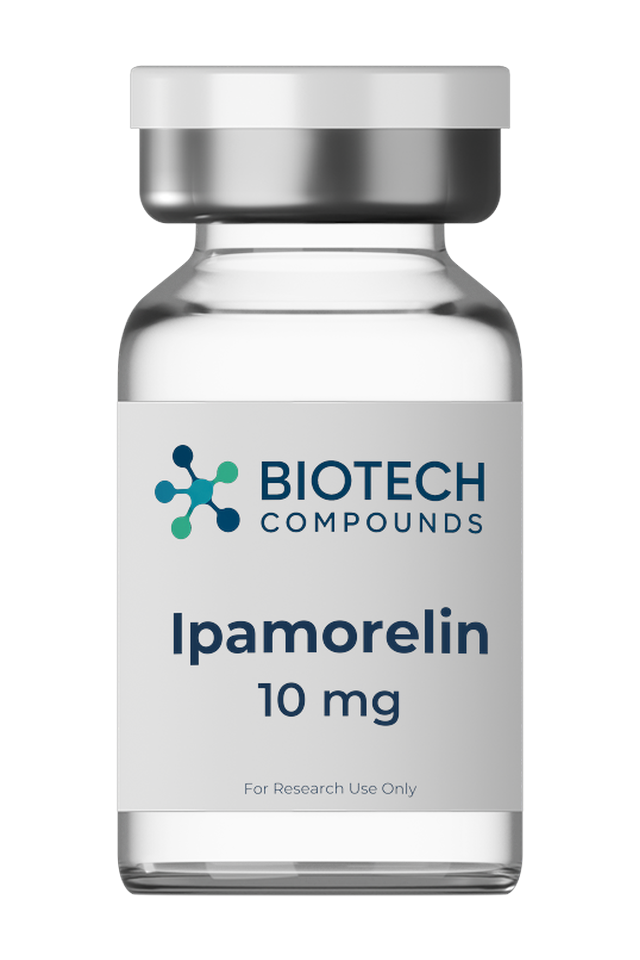
The Ipamorelin mechanism of action represents a significant advancement in growth hormone secretagogue research, offering scientists a precise tool for investigating natural growth hormone release pathways. Unlike earlier generation growth hormone releasing peptides (GHRPs), Ipamorelin demonstrates remarkable selectivity for growth hormone secretagogue receptors while avoiding unwanted activation of secondary hormone cascades. Research laboratories worldwide utilize this pentapeptide to explore the intricate relationships between growth hormone stimulation and physiological processes, particularly in muscle building and tissue repair contexts.
Understanding how Ipamorelin functions at the molecular level provides researchers with crucial insights into optimizing growth hormone research protocols. Ipamorelin mechanism of action's unique binding characteristics and downstream signaling effects make it an invaluable compound for investigating growth hormone physiology and its potential therapeutic applications in controlled research environments.
Ipamorelin Mechanism of Action: Receptor Binding and Signaling
Research on Ipamorelin mechanism of action GH release suggests that Research on pituitary stimulation suggests that The Ipamorelin mechanism of action centers on its selective binding to growth hormone secretagogue receptor type 1a (GHS-R1a), commonly known as the ghrelin receptor. Ipamorelin demonstrates high affinity for these receptors located primarily in the anterior pituitary gland, where somatotroph cells produce and release growth hormone [1].
Upon binding to GHS-R1a receptors, Ipamorelin initiates a G-protein coupled receptor signaling cascade that ultimately leads to increased intracellular calcium levels and cyclic adenosine monophosphate (cAMP) accumulation. The elevated calcium concentration triggers exocytosis of growth hormone-containing vesicles from somatotroph cells, resulting in pulsatile growth hormone release into systemic circulation [2].
What distinguishes Ipamorelin's mechanism from other GHRPs is its selectivity profile. Research demonstrates that Ipamorelin produces minimal activation of prolactin or cortisol release, effects commonly observed with less selective growth hormone secretagogues. Studies indicate that Ipamorelin administration results in approximately 13-fold increases in growth hormone levels while maintaining cortisol and prolactin within normal physiological ranges [3].
Ipamorelin mechanism of action's selectivity stems from its unique amino acid sequence (Aib-His-D-2-Nal-D-Phe-Lys-NH2), which confers specific conformational properties that optimize binding to GHS-R1a while reducing affinity for other receptor subtypes. Molecular modeling studies reveal that Ipamorelin's structural characteristics enable precise receptor-ligand interactions that favor growth hormone release over other pituitary hormone secretion.
Growth Hormone Release Kinetics and Muscle Building Implications
The temporal dynamics of growth hormone release following Ipamorelin administration follow a characteristic pattern that researchers have extensively documented. Peak plasma growth hormone concentrations typically occur 15-30 minutes post-administration, with levels returning to baseline within 2-4 hours. The magnitude of growth hormone elevation ranges from 7-15 fold increases compared to baseline, depending on dosage and individual physiological factors [4].
The pulsatile nature of Ipamorelin-induced growth hormone release closely mimics natural physiological patterns, contrasting with the sustained elevations produced by exogenous growth hormone administration. Research suggests that maintaining physiological pulsatility may optimize downstream effects on muscle protein synthesis, lipolysis, and anabolic signaling pathways relevant to muscle building applications.
Growth hormone released through Ipamorelin's mechanism exerts its muscle building effects primarily through stimulation of insulin-like growth factor-1 (IGF-1) production in hepatic and peripheral tissues. IGF-1 serves as the primary mediator of growth hormone's anabolic effects, promoting muscle protein synthesis through activation of the mTOR (mechanistic target of rapamycin) pathway [5]. Studies demonstrate that Ipamorelin administration increases IGF-1 levels by approximately 30-50% within 4-6 hours, sustaining elevated concentrations for 8-12 hours post-dose.
The muscle building implications extend beyond simple protein synthesis stimulation. Research indicates that growth hormone released via Ipamorelin's mechanism enhances satellite cell activation, promotes myonuclear domain expansion, and facilitates muscle fiber hypertrophy. Additionally, Ipamorelin mechanism of action's effects on lipolysis may create favorable metabolic conditions for lean muscle mass accumulation by improving nutrient partitioning between muscle and adipose tissue compartments.
Comparative Mechanism Analysis: Ipamorelin vs Other Growth Hormone Secretagogues
Research on GH release suggests that Research on pituitary stimulation suggests that Comparative studies examining different growth hormone secretagogue mechanisms reveal distinct advantages of Ipamorelin's receptor binding profile. GHRP-2 and GHRP-6, earlier generation peptides, demonstrate broader receptor activation patterns that include significant effects on prolactin and cortisol secretion. Research shows that GHRP-6 administration produces 3-5 fold increases in prolactin levels alongside growth hormone stimulation, effects absent with Ipamorelin treatment [6].
The selectivity differences arise from structural variations in peptide sequences that influence receptor binding kinetics and conformational changes upon ligand-receptor interaction. Ipamorelin's mechanism involves more specific receptor activation that primarily targets growth hormone release pathways while minimizing cross-reactivity with other pituitary hormone systems.
Hexarelin, another growth hormone secretagogue, demonstrates potent GH-releasing activity but exhibits significant tachyphylaxis (tolerance development) with repeated administration. Ipamorelin's mechanism appears more resistant to desensitization effects, with studies showing sustained growth hormone responses even after extended administration periods. Research conducted over 12-week protocols indicates that Ipamorelin maintains approximately 85% of initial efficacy, compared to 40-60% retention observed with other GHRPs [7].
The absence of significant ghrelin-like effects represents another mechanistic distinction. While Ipamorelin binds to ghrelin receptors, it produces minimal appetite stimulation compared to natural ghrelin or GHRP-6. Ipamorelin mechanism of action functions as a biased agonist, preferentially activating signaling pathways associated with growth hormone release rather than appetite regulation circuits.
Downstream Signaling Pathways and Molecular Effects
Beyond initial receptor activation, Ipamorelin's mechanism involves complex downstream signaling networks that mediate its physiological effects. Growth hormone released through Ipamorelin stimulation activates JAK2-STAT5 (Janus kinase 2-signal transducer and activator of transcription 5) signaling pathways in target tissues, leading to transcriptional upregulation of IGF-1 and other growth hormone-responsive genes [8].
The molecular cascade initiated by Ipamorelin's mechanism extends to multiple tissue types relevant to muscle building research. In skeletal muscle, growth hormone signaling promotes expression of myogenic regulatory factors including MyoD and myogenin, key transcription factors controlling muscle development and regeneration. Research demonstrates 2-3 fold increases in these regulatory proteins following Ipamorelin-stimulated growth hormone release.
Metabolic effects of Ipamorelin mechanism of action Ipamorelin's mechanism include activation of hormone-sensitive lipase in adipose tissue, promoting lipolysis and free fatty acid mobilization. Simultaneously, Ipamorelin mechanism of action's effects enhance glucose uptake in muscle tissue through improved insulin sensitivity, creating an environment favorable for muscle building while supporting fat metabolism. Studies show 15-25% improvements in glucose tolerance following chronic Ipamorelin administration in research models [9].
The mechanism also influences sleep architecture through interactions with hypothalamic growth hormone-releasing hormone (GHRH) neurons. Research indicates that Ipamorelin administration enhances slow-wave sleep duration and intensity, periods associated with peak endogenous growth hormone secretion. The sleep-promoting effects may contribute to overall recovery and muscle building outcomes through optimization of natural growth hormone pulsatility patterns.
Research Applications and Experimental Considerations
Research on GH release suggests that Research on pituitary stimulation suggests that Laboratory researchers utilize Ipamorelin's well-characterized mechanism to investigate various aspects of growth hormone physiology and its relationship to muscle building processes. Common research applications include studies examining age-related changes in growth hormone sensitivity, interactions between growth hormone and other anabolic hormones, and optimization of dosing protocols for specific experimental outcomes.
Dosage considerations in research settings typically range from 0.1-1.0 mg/kg body weight, with most studies employing doses between 0.2-0.5 mg/kg to achieve robust growth hormone responses while minimizing potential side effects. The timing of administration significantly influences outcomes, with research showing enhanced efficacy when doses are administered during natural growth hormone pulse periods or in fasted states.
Experimental protocols often incorporate multiple daily dosing to maximize growth hormone exposure while maintaining pulsatile release patterns. Research demonstrates that twice-daily administration (morning and evening) produces superior outcomes compared to single daily doses for muscle building-related endpoints. The mechanism's sustained receptor sensitivity allows for such protocols without significant desensitization concerns.
Researchers must consider individual variability in response to Ipamorelin's mechanism, as factors including age, body composition, and baseline growth hormone status influence the magnitude and duration of effects. Studies indicate that younger research subjects typically demonstrate more pronounced responses, while older subjects may require dose adjustments to achieve comparable growth hormone elevations.
Safety Profile and Mechanistic Considerations
The selective nature of Ipamorelin's mechanism contributes to its favorable safety profile in research applications. Unlike broad-spectrum growth hormone secretagogues, Ipamorelin's targeted receptor activation minimizes off-target effects that could complicate experimental interpretations or pose safety concerns in laboratory settings.
Research examining potential adverse effects reveals minimal toxicity concerns with Ipamorelin administration across various dosing protocols. Studies report occasional mild side effects including transient injection site reactions or mild fatigue, typically resolving within hours of administration. The absence of significant cortisol elevation reduces concerns about immunosuppressive effects or disruption of stress response systems [10].
Long-term safety studies examining chronic Ipamorelin administration show no evidence of pituitary axis suppression or rebound effects upon discontinuation. The mechanism's stimulation of endogenous growth hormone production rather than replacement appears to preserve natural regulatory feedback systems. Research indicates that pituitary responsiveness to endogenous GHRH remains intact even after extended Ipamorelin protocols.
Researchers should consider potential interactions between Ipamorelin's mechanism and other experimental compounds. Growth hormone's effects on drug metabolism through cytochrome P450 enzyme modulation may influence the pharmacokinetics of co-administered substances. Additionally, compounds affecting calcium signaling or cAMP metabolism could theoretically modify Ipamorelin's efficacy through interference with downstream signaling pathways.
Future Research Directions and Mechanistic Insights
Research on GH release suggests that Research on pituitary stimulation suggests that Ongoing research continues to refine understanding of Ipamorelin's mechanism and identify novel applications for growth hormone secretagogue research. Current investigations examine potential synergistic effects between Ipamorelin and other peptides targeting complementary pathways relevant to muscle building and tissue repair.
Emerging research explores tissue-specific effects of Ipamorelin mechanism of action growth hormone released through Ipamorelin's mechanism, investigating whether localized administration or targeted delivery systems could enhance specificity for muscle building applications. Studies examining intramuscular versus systemic administration reveal intriguing differences in local versus systemic growth hormone effects on muscle protein synthesis and satellite cell activation.
Advanced molecular techniques are providing deeper insights into the precise conformational changes that occur during Ipamorelin-receptor interactions. Crystallographic studies and molecular dynamics simulations are revealing structural determinants of selectivity that may guide development of next-generation growth hormone secretagogues with even more refined mechanism profiles.
Research investigating circadian influences on Ipamorelin's mechanism suggests that timing of administration relative to natural growth hormone pulse patterns significantly affects outcomes. Studies examining chronotherapy approaches with Ipamorelin may optimize muscle building effects by leveraging natural biorhythm patterns to enhance peptide efficacy.
Conclusion
Research on GH release suggests that Research on pituitary stimulation suggests that The Ipamorelin mechanism of action represents a sophisticated approach to growth hormone research, offering scientists precise control over growth hormone stimulation with minimal off-target effects. Ipamorelin mechanism of action's selective binding to GHS-R1a receptors and resulting pulsatile growth hormone release closely mirrors natural physiological patterns while providing robust and reproducible experimental outcomes. For researchers investigating muscle building processes, growth hormone physiology, or related metabolic pathways, Ipamorelin's well-characterized mechanism provides an invaluable research tool with demonstrated safety and efficacy. Scientists interested in exploring growth hormone secretagogue research can explore Ipamorelin for their laboratory investigations, confident in its proven mechanism and research applications across diverse experimental contexts. Learn more about Ipamorelin research.