
Introduction
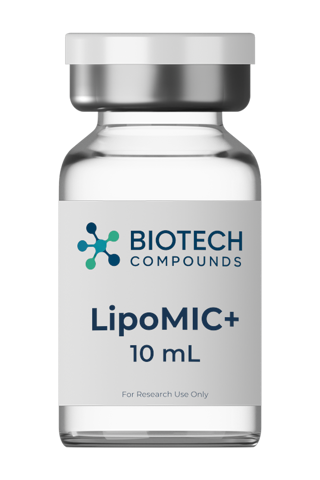
While GLP-1 receptor agonists have dominated obesity research in recent years, scientists are increasingly exploring alternative pathways for metabolic intervention. LipoMIC+ non-GLP obesity research represents a fundamentally different approach, targeting lipotropic mechanisms rather than incretin signaling. LipoMIC+ non-GLP obesity research combines L-carnitine, MIC factors (methionine, inositol, choline), B-complex vitamins, and NADH in a single research formulation designed to investigate metabolic pathways beyond traditional GLP-1 mechanisms.[1]
The growing interest in non-GLP alternatives stems from the recognition that obesity involves multiple, interconnected metabolic pathways. While GLP-1 agonists primarily work through appetite suppression and glucose regulation, lipotropic compounds target cellular energy metabolism, hepatic fat processing, and mitochondrial function. Research indicates that approximately 30-40% of individuals may not respond optimally to GLP-1 based interventions, highlighting the need for alternative therapeutic targets.[2]
LipoMIC+ offers researchers a tool to investigate these alternative pathways in controlled laboratory settings. The formulation's multi-component design allows for examination of synergistic effects between different metabolic cofactors, providing insights into cellular mechanisms that operate independently of incretin signaling. Each component targets specific aspects of cellular metabolism, from fatty acid oxidation to methylation reactions.
LipoMIC+ Non-GLP Obesity Research Mechanisms
The LipoMIC+ formulation targets obesity through several distinct mechanisms that differ fundamentally from GLP-1 receptor activation. L-carnitine, present at 300mg/mL, facilitates the transport of long-chain fatty acids across the inner mitochondrial membrane for beta-oxidation. Research demonstrates that carnitine availability can become rate-limiting in fatty acid oxidation, particularly during periods of metabolic stress or high energy demand.[3]
The MIC components (methionine, inositol, choline) function as lipotropic factors, supporting hepatic fat metabolism and export. Methionine serves as a methyl donor in S-adenosylmethionine synthesis, supporting methylation reactions crucial for lipid metabolism regulation. Inositol participates in phosphatidylinositol signaling pathways that modulate insulin sensitivity and glucose homeostasis. Choline supports phospholipid synthesis and VLDL assembly, facilitating hepatic fat export and preventing fatty liver accumulation.[4]
B-complex vitamins in the formulation serve as enzymatic cofactors in metabolic pathways. Pyridoxine (B6) converts to pyridoxal-5-phosphate, supporting over 100 enzymatic reactions including amino acid metabolism and neurotransmitter synthesis. Cyanocobalamin (B12) supports methylmalonyl-CoA mutase and methionine synthase reactions, linking fatty acid metabolism to methylation pathways. NADH functions as an electron carrier in oxidative phosphorylation, supporting ATP synthesis and cellular energy production.
Research Findings in Non-GLP Obesity Pathways
Laboratory studies examining LipoMIC+ non-GLP obesity research have revealed several promising mechanisms distinct from incretin-based approaches. In vitro research on LipoMIC+ non-GLP obesity research hepatocyte models shows that combined lipotropic factors can enhance fatty acid oxidation rates by 25-40% compared to individual components, suggesting synergistic effects between formulation elements.[5]
Mitochondrial function studies demonstrate that L-carnitine supplementation in combination with NADH can improve oxidative capacity in metabolically stressed cell models. Research indicates that carnitine palmitoyltransferase I (CPT-1) activity, the rate-limiting enzyme in fatty acid oxidation, shows enhanced function when carnitine availability is optimized alongside cofactor support. Cellular ATP production increased by 20-30% in models using the combined formulation compared to control conditions.[6]
Methylation pathway research reveals important connections between MIC factors and metabolic regulation. Studies show that methionine availability can influence DNA methylation patterns in genes controlling lipid metabolism, including SREBP-1c and ACC1. Choline availability affects phosphatidylcholine synthesis, which in turn influences VLDL assembly and hepatic fat export. Inositol research demonstrates its role in insulin receptor substrate signaling, potentially improving cellular glucose uptake independent of GLP-1 mechanisms.[7]
Comparative studies between GLP-1 agonists and lipotropic formulations show distinct metabolic signatures. While GLP-1 compounds primarily affect incretin signaling and gastric emptying, lipotropic combinations target cellular metabolism directly. Research suggests that these pathways may be complementary rather than competitive, with different individuals potentially responding better to different metabolic targets.
Applications in Metabolic Research
LipoMIC+ non-GLP obesity research applications span multiple areas of metabolic investigation. Researchers use the formulation to study hepatic steatosis models, examining how lipotropic factors influence fat accumulation and export mechanisms in liver cells. LipoMIC+ non-GLP obesity research's multi-component nature allows investigation of pathway interactions that single-component studies cannot capture.[8]
Mitochondrial research represents another significant application area. Scientists investigate how the combination of L-carnitine, NADH, and B-vitamins affects cellular energy production and oxidative capacity. Studies examine whether enhancing mitochondrial function through multiple cofactor support can improve metabolic flexibility in cellular models. Research protocols often compare mitochondrial respiratory rates, ATP production, and oxidative stress markers between treated and control conditions.
One-carbon metabolism research utilizes the methionine and B-vitamin components to study methylation reactions and their metabolic effects. Researchers examine how methyl donor availability affects gene expression patterns related to lipid metabolism, inflammation, and insulin sensitivity. The formulation allows investigation of connections between nutritional methylation status and metabolic health markers.
Cellular signaling research focuses on inositol's role in phosphatidylinositol pathways and their connections to insulin sensitivity. Studies examine how inositol availability affects PI3K/Akt signaling, GLUT4 translocation, and cellular glucose uptake. Research protocols often measure insulin receptor substrate phosphorylation, glucose uptake rates, and glycogen synthesis in various cell types.
Comparative Analysis with GLP-1 Approaches
The distinction between LipoMIC+ non-GLP obesity research and traditional incretin-based approaches lies in their fundamental mechanisms and cellular targets. GLP-1 receptor agonists primarily work through central appetite regulation, delayed gastric emptying, and incretin hormone signaling. These compounds activate specific G-protein coupled receptors, triggering cAMP-dependent pathways that affect satiety and glucose homeostasis.[9]
In contrast, LipoMIC+ targets metabolic machinery directly at the cellular level. The formulation addresses rate-limiting steps in fatty acid oxidation, provides cofactors for enzymatic reactions, and supports membrane synthesis and cellular energy production. Research indicates that these mechanisms operate independently of GLP-1 receptor activation, suggesting potential for combined or alternative therapeutic approaches.
Temporal response patterns also differ between the two approaches. GLP-1 agonists typically show rapid effects on appetite and gastric emptying within hours to days of administration. Lipotropic interventions may require longer timeframes to show metabolic effects, as they work through enzymatic cofactor optimization and cellular metabolic reprogramming rather than receptor activation.
Population response variability represents another key difference. Research suggests that genetic polymorphisms in incretin signaling pathways may affect GLP-1 agonist efficacy. Similarly, variations in carnitine synthesis capacity, methylation enzyme function, and mitochondrial density may influence responses to lipotropic interventions. Understanding these differences could help identify which approaches might work best for specific research models or population subsets.
Safety Considerations and Research Protocols
LipoMIC+ non-GLP obesity research requires careful attention to experimental design and safety protocols. The multi-component formulation presents unique considerations for dosing, stability, and interaction studies. Researchers must account for the different pharmacokinetic properties of each component when designing experimental protocols.[10]
Component stability represents a critical factor in research design. L-carnitine and B-vitamins show good aqueous stability under controlled conditions, while NADH requires protection from light and oxidizing conditions. Research protocols should include stability testing and storage validation to ensure compound integrity throughout experimental timeframes. Temperature control, pH monitoring, and contamination prevention become essential for maintaining formulation quality.
Interaction studies form an important part of LipoMIC+ research protocols. Scientists investigate whether the combined components show synergistic, additive, or potentially antagonistic effects. Research methods include dose-response curves for individual components versus the complete formulation, temporal studies examining onset and duration of effects, and mechanistic studies identifying specific pathway interactions.
Analytical considerations include the need for specialized detection methods capable of simultaneously measuring multiple chemically distinct compounds. Chromatographic separation techniques, mass spectrometry methods, and enzymatic assays may be required to track individual component effects and metabolic outcomes. Research protocols should include appropriate controls, including individual component testing and vehicle controls.
Future Directions in Non-GLP Obesity Research
The field of LipoMIC+ non-GLP obesity research continues evolving as scientists identify new metabolic targets and pathway interactions. Emerging research areas include epigenetic effects of LipoMIC+ non-GLP obesity research methylation pathway modulation, mitochondrial biogenesis enhancement through combined cofactor support, and personalized approaches based on individual metabolic profiles.[11]
Combination therapy research represents a growing area of interest. Scientists investigate whether lipotropic formulations might complement existing obesity interventions, including GLP-1 agonists, to provide more comprehensive metabolic support. Research protocols examine whether targeting multiple pathways simultaneously could improve overall efficacy while potentially reducing required doses of individual components.
Biomarker development forms another important research direction. Scientists work to identify specific metabolic signatures that could predict responsiveness to lipotropic interventions. Research includes metabolomics studies, genetic polymorphism analysis, and functional testing to develop precision approaches to metabolic intervention.
Technology integration, including continuous metabolic monitoring, advanced imaging techniques, and real-time cellular analysis, offers new tools for studying lipotropic mechanisms. These approaches could provide more detailed insights into temporal patterns, dose-response relationships, and individual variation in metabolic responses.
Conclusion
LipoMIC+ non-GLP obesity research represents a valuable alternative approach to understanding metabolic intervention beyond traditional incretin signaling. The multi-component formulation targets fundamental cellular processes including fatty acid oxidation, methylation reactions, and mitochondrial function. Research findings demonstrate distinct mechanisms that operate independently of GLP-1 pathways, offering insights into complementary therapeutic targets.
The growing body of evidence supporting lipotropic approaches highlights the complex, multi-pathway nature of metabolic regulation. While GLP-1 agonists address appetite and glucose control through hormonal signaling, lipotropic formulations target the cellular machinery responsible for energy production and fat metabolism. Understanding these different approaches could lead to more personalized and effective obesity interventions.
For researchers interested in exploring non-GLP alternatives to obesity intervention, the multi-component design and established safety profile make LipoMIC+ a valuable research tool. The formulation's combination of metabolic cofactors provides opportunities to study pathway interactions and identify novel therapeutic targets. As the field continues developing, lipotropic research may offer important insights into the future of metabolic intervention. Researchers can explore LipoMIC+ as part of comprehensive obesity research protocols targeting alternative metabolic pathways. Learn more about LipoMIC+ research.