
Introduction
Nicotinamide adenine dinucleotide (NAD+) represents one of the most extensively studied coenzymes in cellular biology, with researchers particularly focused on understanding the NAD mechanism of action within brain cell systems. As a dinucleotide coenzyme composed of adenosine monophosphate (AMP) and nicotinamide mononucleotide (NMN) joined through a phosphoanhydride bond, NAD+ serves as a critical electron carrier that alternates between oxidized (NAD+) and reduced (NADH) forms. Scientific investigations have revealed that NAD+ participates in numerous cellular processes, with growing research attention directed toward its role in brain cell regeneration, memory formation, and pathways associated with mental clarity.
The molecular structure of NAD+ includes an adenine base, two ribose sugars, two phosphate groups, and a nicotinamide moiety, creating a versatile molecule capable of participating in redox reactions across multiple cellular compartments. Laboratory studies demonstrate that NAD functions as an essential cofactor for numerous enzymes involved in energy metabolism, DNA repair, and cellular signaling cascades that influence brain function.
NAD Mechanism of Action in Brain Cell Function
The NAD mechanism of action in brain cells involves multiple interconnected pathways that researchers have identified through controlled laboratory studies. At the cellular level, NAD+ serves as a substrate for several enzyme families, including sirtuins, poly(ADP-ribose) polymerases (PARPs), and cyclic ADP-ribose synthases, each contributing to different aspects of brain cell maintenance and function [1].
Sirtuin enzymes, particularly SIRT1 and SIRT3, utilize NAD+ as a cofactor to deacetylate target proteins involved in mitochondrial biogenesis and neuronal survival pathways. Research indicates that these NAD-dependent reactions influence the expression of genes associated with brain cell longevity and stress resistance. The consumption of NAD+ during sirtuin-mediated deacetylation reactions creates a direct link between cellular NAD+ availability and the activation of neuroprotective mechanisms [2].
PARP enzymes represent another crucial component of the NAD mechanism of action, particularly in brain cell DNA repair processes. When brain cells experience oxidative stress or DNA damage, PARP activation leads to NAD+ consumption as the enzyme synthesizes poly(ADP-ribose) chains. While necessary for DNA repair, excessive PARP activation can deplete cellular NAD+ stores, potentially compromising other NAD-dependent processes essential for brain cell function.
The NAD+/NADH ratio also influences brain cell energy metabolism through its role in glycolysis and oxidative phosphorylation. Brain tissue exhibits high energy demands, and the NAD mechanism of action ensures efficient ATP production through the electron transport chain, where NADH transfers electrons to generate the proton gradient necessary for ATP synthesis.
Research Findings on Brain Cell Regeneration
Laboratory investigations have revealed significant insights into how the NAD mechanism of action influences brain cell regeneration processes. Studies using neuronal cell cultures demonstrate that NAD+ availability correlates with enhanced neuroplasticity markers and improved cellular recovery following stress conditions [3].
Research has shown that NAD+ precursor supplementation in laboratory models leads to increased expression of brain-derived neurotrophic factor (BDNF), a protein crucial for neuronal growth and survival. The NAD mechanism of action appears to influence BDNF expression through sirtuin-mediated regulation of transcription factors, including CREB and FOXO proteins. These findings suggest that NAD+ availability may serve as a metabolic switch that determines whether brain cells enter regenerative or degenerative pathways.
Mitochondrial function represents another critical aspect of brain cell regeneration influenced by NAD mechanisms. Studies indicate that NAD+ supports mitochondrial biogenesis through the activation of PGC-1α, a master regulator of mitochondrial DNA transcription. Brain cells with higher NAD+ levels demonstrate improved mitochondrial respiratory capacity and reduced oxidative stress markers, conditions favorable for cellular regeneration processes [4].
Axonal regeneration studies have also provided evidence for NAD+ involvement in neuronal repair mechanisms. The NAD mechanism of action appears to support axonal growth through the regulation of NAD-dependent enzymes that influence cytoskeletal dynamics and protein synthesis pathways necessary for axonal extension and synaptic formation.
Memory and Mental Clarity Research Applications
Scientific studies examining the NAD mechanism of action have identified several pathways through which this coenzyme may influence memory formation and mental clarity processes. Hippocampal studies using laboratory models demonstrate that NAD+ availability correlates with synaptic plasticity markers associated with learning and memory consolidation [5].
The role of NAD+ in synaptic function involves its participation in calcium signaling pathways that regulate neurotransmitter release. Research indicates that NAD-dependent enzymes influence presynaptic calcium dynamics, which directly affects the probability of neurotransmitter vesicle release and synaptic strength. These mechanisms suggest that the NAD mechanism of action may influence the cellular basis of memory formation through modulation of synaptic transmission efficiency.
Long-term potentiation (LTP), considered a cellular correlate of learning and memory, shows dependence on NAD+ availability in laboratory studies. The NAD mechanism of action influences LTP through multiple pathways, including the regulation of gene transcription necessary for late-phase LTP and the maintenance of synaptic protein synthesis required for memory consolidation.
Studies of NAD+ effects on cognitive-related cellular processes have revealed connections between NAD availability and the function of brain regions associated with attention and executive function. The prefrontal cortex, a brain region crucial for mental clarity and decision-making, shows high expression of NAD-dependent enzymes, suggesting that the NAD mechanism of action may be particularly important for maintaining optimal function in these circuits.
Cellular Pathways and Molecular Interactions
The complexity of the NAD mechanism of action becomes apparent when examining the numerous cellular pathways influenced by this coenzyme. Beyond its role as an electron carrier in metabolic reactions, NAD+ serves as a signaling molecule that communicates cellular energy status to various regulatory systems within brain cells.
Circadian rhythm regulation represents one area where the NAD mechanism of action demonstrates significant influence. The NAD+/NADH ratio fluctuates in a circadian manner, and this oscillation helps synchronize cellular clocks through the regulation of clock genes such as CLOCK and BMAL1. Since circadian disruption is associated with cognitive impairment, the NAD mechanism of action may contribute to maintaining optimal brain function through circadian regulation [6].
Epigenetic regulation through NAD-dependent enzymes adds another layer to the mechanism of action. Sirtuins influence histone modifications that affect gene expression patterns in brain cells, potentially creating lasting changes in cellular function. Research suggests that NAD+ availability can influence the epigenetic landscape of neurons, affecting their response to environmental stimuli and their capacity for adaptive changes.
The NAD salvage pathway, which recycles nicotinamide back to NAD+, plays a crucial role in maintaining cellular NAD+ levels. Key enzymes in this pathway, including nicotinamide phosphoribosyltransferase (NAMPT), show high expression in brain tissue, indicating the importance of NAD+ maintenance for brain cell function. Laboratory studies using NAD demonstrate that direct supplementation can bypass potential bottlenecks in the salvage pathway.
Laboratory Research Considerations
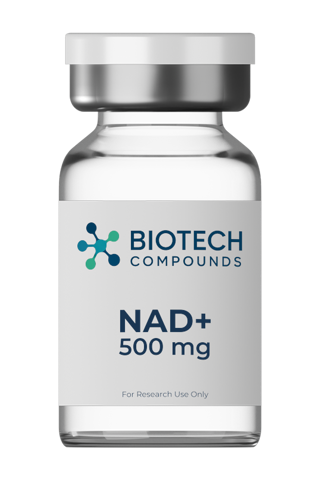
When conducting research involving the NAD mechanism of action, several important factors require consideration to ensure accurate and reproducible results. NAD+ exhibits sensitivity to light, oxygen, and moisture, necessitating proper storage conditions at -20°C in protected environments. The water solubility of NAD+ facilitates laboratory preparation, but reconstituted solutions should be used promptly to prevent degradation.
Measurement of cellular NAD+ levels requires specialized analytical techniques, as the coenzyme can undergo rapid conversion between NAD+ and NADH forms. Researchers typically employ enzymatic cycling assays or chromatographic methods to accurately quantify NAD+ concentrations in experimental samples. The NAD+/NADH ratio often provides more meaningful information than absolute concentrations, as this ratio reflects cellular redox status and energy metabolism.
Cell culture conditions can significantly influence NAD+ metabolism and the observed effects of experimental manipulations. Glucose concentration, oxygen levels, and culture medium composition all affect cellular NAD+ synthesis and consumption rates. Standardization of these variables ensures consistent results when studying the NAD mechanism of action in laboratory settings.
Duration of treatment represents another critical consideration, as the effects of NAD+ may vary depending on acute versus chronic exposure. Short-term studies may reveal immediate metabolic effects, while longer-term investigations can uncover changes in gene expression and cellular adaptation processes influenced by the NAD mechanism of action.
Future Research Directions
Current understanding of the NAD mechanism of action continues to evolve as researchers develop more sophisticated tools for studying this coenzyme's cellular functions. Advanced imaging techniques now allow real-time monitoring of NAD+ levels in living cells, providing insights into the dynamic nature of NAD+ metabolism during various cellular processes.
Proteomics approaches are revealing new NAD-interacting proteins, expanding the known scope of the NAD mechanism of action beyond traditional enzymatic reactions. These discoveries suggest that NAD+ may influence cellular function through additional pathways not yet fully characterized, particularly in the context of brain cell signaling and communication.
Genetic tools for manipulating NAD+ synthesis and consumption pathways offer researchers precise control over cellular NAD+ levels. These approaches enable investigations into the specific contributions of different NAD-dependent pathways to brain cell function, helping to dissect the complex network of interactions involved in the NAD mechanism of action.
Combination studies examining NAD+ interactions with other cellular signaling molecules are providing a more complete picture of how this coenzyme integrates with broader cellular regulatory networks. Understanding these interactions will be crucial for interpreting research results and designing experiments that accurately reflect physiological conditions.
Conclusion
The NAD mechanism of action encompasses a complex network of cellular pathways that influence brain cell function, regeneration, and cognitive processes. Research demonstrates that NAD+ serves multiple roles beyond its traditional function as an electron carrier, acting as a substrate for enzymes involved in DNA repair, gene regulation, and cellular signaling. Laboratory studies continue to reveal new aspects of how NAD+ influences brain cell regeneration, memory formation, and mental clarity through its participation in sirtuin-mediated pathways, mitochondrial function, and synaptic plasticity mechanisms. As research tools and techniques advance, scientists gain deeper insights into the intricate ways NAD+ coordinates cellular functions essential for brain health. Researchers interested in investigating these mechanisms can explore NAD for their laboratory studies, contributing to the growing body of knowledge surrounding this essential coenzyme. Learn more about NAD research.