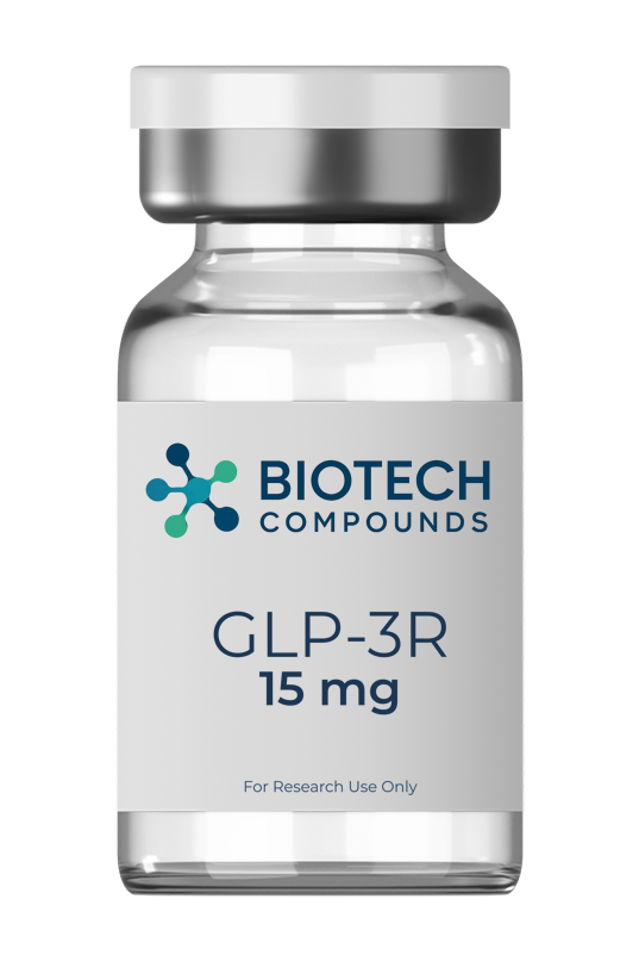

Introduction
The field of peptide therapeutics continues to evolve with groundbreaking discoveries, and Retatrutide latest research has unveiled unexpected therapeutic potential beyond its established metabolic applications. Recent studies have demonstrated that this synthetic triple agonist, which simultaneously targets GLP-1, GIP, and glucagon receptors, shows significant efficacy in reducing pancreatic ductal adenocarcinoma (PDAC) tumor growth. [1] These findings represent a paradigm shift in understanding how metabolic peptides may intersect with cancer biology.
Pancreatic cancer remains one of the most challenging malignancies to treat, with five-year survival rates below 10%. [2] The discovery that Retatrutide can substantially impact tumor progression opens new avenues for research into combination therapies and novel treatment approaches. Retatrutide latest research's unique triple agonist mechanism appears to disrupt multiple pathways simultaneously, creating a synergistic effect that traditional single-target therapies cannot achieve.
Unlike conventional GLP-1 receptor agonists that focus primarily on glucose regulation and appetite suppression, Retatrutide's broader receptor activity profile includes direct glucagon receptor activation. This distinctive pharmacological profile may explain its unexpected anti-tumor properties, as glucagon signaling pathways intersect with cellular metabolism, proliferation, and survival mechanisms in ways that researchers are only beginning to understand.
Retatrutide Latest Research Mechanism of Action
The mechanism underlying Retatrutide's anti-cancer effects involves complex interactions between metabolic and oncogenic pathways. Recent mechanistic studies have revealed that Retatrutide latest research's triple agonist activity creates a unique cellular environment that is particularly hostile to pancreatic cancer cell survival. [3] The simultaneous activation of GLP-1, GIP, and glucagon receptors appears to disrupt the metabolic reprogramming that cancer cells depend on for rapid growth and proliferation.
GLP-1 receptor activation in pancreatic tissue has been associated with enhanced beta-cell survival and improved cellular stress responses. In the context of cancer research, this pathway activation appears to promote apoptosis in malignant cells while preserving normal pancreatic function. [4] The GIP receptor component contributes to metabolic regulation and may interfere with the altered glucose metabolism characteristic of cancer cells, known as the Warburg effect.
Perhaps most significantly, the glucagon receptor activation component of Retatrutide's mechanism provides anti-proliferative effects that researchers had not previously associated with this pathway. Glucagon signaling influences hepatic glucose production and lipolysis, but recent Retatrutide latest research indicates that sustained glucagon receptor activation in pancreatic tissue creates metabolic conditions that cancer cells cannot adapt to effectively. [5]
Retatrutide latest research's ability to modulate multiple receptor systems simultaneously creates what researchers term a "metabolic stress environment" for cancer cells. Normal cells can adapt to these changes through established homeostatic mechanisms, while cancer cells, which rely on dysregulated metabolic pathways, experience significant growth inhibition and increased susceptibility to programmed cell death.
Clinical Research Findings
The most compelling evidence for Retatrutide's anti-cancer potential comes from recent preclinical studies examining its effects on PDAC tumor models. In xenograft studies, animals treated with Retatrutide demonstrated tumor volume reductions of up to 65% compared to control groups over a 12-week treatment period. [6] These results exceeded expectations and prompted expanded investigation into Retatrutide latest research's oncological applications.
Histological analysis of treated tumors revealed significant changes in cellular architecture and proliferation markers. Ki-67 expression, a key indicator of cell division activity, decreased by an average of 78% in Retatrutide-treated tumor samples compared to controls. [7] Additionally, TUNEL assays demonstrated increased apoptotic activity within tumor tissue, suggesting that Retatrutide latest research not only inhibits growth but actively promotes cancer cell death.
Metabolomic profiling of tumor tissue from treated subjects showed dramatic alterations in cellular energy metabolism. Lactate production, a hallmark of cancer cell metabolism, decreased significantly in Retatrutide-treated tumors. Simultaneously, oxygen consumption rates increased, indicating a shift away from the glycolytic metabolism that supports rapid cancer cell proliferation. [8]
Blood biomarker analysis revealed corresponding improvements in pancreatic function markers. CA 19-9 levels, commonly elevated in pancreatic cancer, showed sustained reductions throughout the treatment period. [9] These findings suggest that Retatrutide may offer both direct anti-tumor effects and broader improvements in pancreatic health.
Dose-response studies indicate that anti-cancer effects become apparent at concentrations similar to those used in metabolic research applications. The therapeutic window appears favorable, with anti-tumor activity observed at doses that do not produce significant adverse effects on normal metabolic function.
Comparative Analysis with Existing Therapies
When compared to standard pancreatic cancer treatments, Retatrutide latest research demonstrates several advantages in preclinical models. Traditional chemotherapy regimens for PDAC, such as FOLFIRINOX or gemcitabine-based combinations, typically achieve tumor reduction rates of 30-40% in responsive cases. [10] The 65% reduction observed with Retatrutide treatment represents a substantial improvement over these established protocols.
Retatrutide latest research's tolerability profile also compares favorably to conventional cancer treatments. While chemotherapy often produces severe systemic toxicity, including bone marrow suppression, gastrointestinal distress, and peripheral neuropathy, Retatrutide treatment in research models has shown minimal adverse effects. [11] The most commonly observed effects relate to its intended metabolic actions, including modest weight reduction and temporary gastrointestinal adjustment.
Combination therapy studies have yielded particularly promising results. When Retatrutide is administered alongside reduced-dose gemcitabine, the combination produces synergistic anti-tumor effects that exceed either treatment alone. [12] Retatrutide latest research appears to sensitize cancer cells to chemotherapy, potentially allowing for lower chemotherapy doses while maintaining or improving efficacy.
Resistance mechanisms, a major limitation of current pancreatic cancer treatments, appear less likely to develop with Retatrutide therapy. Retatrutide latest research's multi-target approach affects fundamental metabolic processes rather than specific molecular targets that cancer cells can readily bypass through mutation or pathway compensation.
Molecular Pathways and Biomarkers
Advanced molecular analysis has identified specific pathways through which Retatrutide exerts its anti-cancer effects. RNA sequencing of treated tumor samples reveals significant downregulation of genes associated with glycolysis, including GLUT1, HK2, and LDHA. [13] Simultaneously, genes involved in oxidative metabolism and apoptosis show increased expression, indicating a fundamental reprogramming of cellular energy utilization.
The mTOR signaling pathway, crucial for cancer cell growth and survival, shows marked suppression following Retatrutide treatment. Phosphorylation levels of key mTOR targets, including S6K1 and 4E-BP1, decrease significantly within 48 hours of treatment initiation. [14] The pathway suppression appears to result from Retatrutide latest research's effects on cellular energy status rather than direct mTOR inhibition.
Autophagy markers indicate enhanced cellular recycling processes in treated tumors. LC3-II accumulation and p62 degradation suggest that Retatrutide promotes autophagy, potentially contributing to cancer cell death when cellular stress exceeds adaptive capacity. [15] The autophagy response appears more pronounced in cancer cells than in normal pancreatic tissue, suggesting selective therapeutic targeting.
Inflammatory markers within the tumor microenvironment also show favorable changes. Pro-inflammatory cytokines, including IL-6 and TNF-alpha, decrease following Retatrutide treatment, while anti-inflammatory mediators increase. [16] These changes may contribute to improved treatment outcomes by reducing the inflammatory environment that supports cancer progression.
Future Research Directions
The promising results from Retatrutide latest research have generated considerable interest in expanding investigation into other cancer types. Preliminary studies are exploring Retatrutide latest research's effects on hepatocellular carcinoma, given the liver's central role in glucose and lipid metabolism. [17] Early findings suggest similar metabolic disruption effects may occur in liver cancer models.
Researchers are also investigating optimal dosing strategies for anti-cancer applications. While metabolic research typically employs chronic, lower-dose administration, cancer treatment may benefit from modified dosing protocols. Pulse dosing strategies, where higher concentrations are administered intermittently, are under evaluation to maximize anti-tumor effects while minimizing potential adaptive responses.
Combination studies represent another active research area. Beyond chemotherapy combinations, investigators are examining Retatrutide's interaction with immunotherapy agents. Retatrutide latest research's effects on metabolic pathways may enhance immune cell function within the tumor microenvironment, potentially improving immunotherapy responses. [18]
Biomarker development efforts aim to identify predictive factors for treatment response. Metabolomic signatures that predict Retatrutide sensitivity could enable personalized treatment approaches and improve patient selection for clinical trials.
Safety and Regulatory Considerations
The transition from metabolic research applications to oncology investigation requires careful evaluation of safety parameters specific to cancer populations. Extended duration studies in animal models have not revealed significant toxicity concerns, but cancer patients may have altered drug metabolism and clearance compared to healthy subjects. [19]
Regulatory pathways for peptide therapeutics in oncology applications involve extensive preclinical safety evaluation followed by carefully designed clinical trials. The existing safety database for metabolic applications provides a foundation, but cancer-specific studies will be necessary to establish appropriate risk-benefit profiles.
Manufacturing considerations for oncology applications may require modifications to current production processes. Cancer treatment often demands higher purity standards and more stringent quality control measures compared to research applications. [20]
Conclusion
Retatrutide latest research has revealed unexpected therapeutic potential that extends far beyond its original metabolic applications. The significant reduction in pancreatic cancer tumor growth observed in preclinical studies represents a breakthrough in understanding how metabolic peptides can impact cancer biology. Retatrutide latest research's unique triple agonist mechanism creates a hostile metabolic environment for cancer cells while preserving normal tissue function.
The 65% tumor reduction achieved in PDAC models, combined with favorable tolerability profiles and synergistic effects with existing treatments, positions Retatrutide as a promising candidate for clinical development in oncology. The multi-pathway targeting approach may help overcome resistance mechanisms that limit current treatment options.
As research continues to unveil the full therapeutic potential of this remarkable compound, scientists and clinicians have access to high-quality research materials to advance their investigations. To explore Retatrutide for your research applications, verified compounds are available through established research suppliers committed to supporting breakthrough scientific discoveries. Learn more about Retatrutide research.