
Introduction
Tesamorelin research has emerged as a cornerstone in understanding synthetic growth hormone-releasing hormone (GHRH) analogs and their therapeutic potential. As a stabilized synthetic form of GHRH, tesamorelin represents a significant advancement in peptide science, offering researchers a powerful tool for investigating growth hormone pathways and their downstream effects. The development of Tesamorelin has opened new avenues for studying hormonal modulation, metabolic processes, and tissue remodeling mechanisms.
The peptide's unique structure incorporates modifications that enhance stability while preserving the biological activity essential for pituitary gland stimulation. Unlike endogenous GHRH, which has a relatively short half-life, tesamorelin's synthetic design allows for more consistent and predictable research outcomes. These characteristics have made it an invaluable compound for laboratories investigating growth hormone dynamics and related physiological processes.
Research institutions worldwide have utilized tesamorelin to explore various aspects of endocrine function, with studies spanning from basic mechanistic investigations to complex clinical applications. The peptide's ability to selectively target GHRH receptors while maintaining physiological relevance has positioned it as a preferred research tool in hormone-related studies.
Tesamorelin Research Mechanism of Action
The mechanism underlying tesamorelin research applications centers on its interaction with specific receptors in the anterior pituitary gland. Upon administration, tesamorelin binds to GHRH receptors, initiating a cascade of intracellular events that culminate in growth hormone release. This process involves activation of adenylyl cyclase, leading to increased cyclic adenosine monophosphate (cAMP) levels and subsequent protein kinase A activation.
Studies have demonstrated that tesamorelin's binding affinity and receptor selectivity closely mirror those of endogenous GHRH, yet with enhanced stability characteristics. The peptide's modified amino acid sequence includes a trans-3-hexenoic acid group at the N-terminus, which significantly extends its biological half-life compared to natural GHRH. Research has shown this modification increases resistance to dipeptidyl peptidase-4 degradation, allowing for more sustained receptor activation.
Following pituitary stimulation, the released growth hormone acts on hepatic and peripheral tissues to promote insulin-like growth factor-1 (IGF-1) synthesis. Research indicates that tesamorelin administration results in dose-dependent increases in both growth hormone and IGF-1 levels, with peak concentrations typically observed within 30-60 minutes post-administration. The downstream effects of elevated IGF-1 include enhanced protein synthesis, lipolysis promotion, and cellular regenerative processes.Laboratory studies have revealed that tesamorelin's mechanism involves pulsatile growth hormone release patterns that closely resemble physiological secretion rhythms. This characteristic distinguishes it from direct growth hormone supplementation, as it preserves the natural regulatory feedback mechanisms that govern hormone homeostasis.
Clinical Research Findings
Extensive tesamorelin research has generated substantial clinical data across multiple therapeutic areas. The most comprehensive studies have focused on its effects in HIV-associated lipodystrophy, where tesamorelin demonstrated significant improvements in visceral adipose tissue reduction. A landmark phase III clinical trial involving 806 participants showed a mean reduction of 15.2% in visceral adipose tissue after 26 weeks of treatment, with 69% of subjects achieving clinically meaningful reductions [1].
Research examining tesamorelin's impact on body composition has revealed multifaceted effects beyond fat reduction. Studies have documented improvements in lean body mass, with participants showing average increases of 1.4 kg in lean tissue over 26-week treatment periods. These changes occurred without corresponding alterations in subcutaneous fat or overall body weight, suggesting selective targeting of metabolic processes [2].
Cardiovascular research has explored tesamorelin's effects on lipid profiles and metabolic markers. Clinical studies have reported improvements in total cholesterol, low-density lipoprotein levels, and triglyceride concentrations. A 12-month study demonstrated sustained reductions in total cholesterol of approximately 8-12% from baseline values, with corresponding improvements in cardiovascular risk markers [3].
Safety profiles from tesamorelin research indicate generally well-tolerated administration across diverse populations. The most frequently reported adverse events in clinical studies include injection site reactions, occurring in approximately 25% of participants, and mild to moderate arthralgias in 13% of subjects. Serious adverse events directly attributable to tesamorelin remain rare, with discontinuation rates due to adverse effects typically below 5% in controlled studies.
Long-term follow-up studies have provided insights into sustained efficacy and safety profiles. Research tracking participants for up to 52 weeks has demonstrated maintenance of beneficial effects on body composition, with no evidence of tachyphylaxis or significant safety concerns emerging during extended treatment periods.
Research Applications and Laboratory Uses
Tesamorelin research applications extend across numerous scientific disciplines, making it a versatile tool for investigating diverse physiological processes. Endocrinology laboratories utilize the peptide to study growth hormone regulation, pituitary function, and hormonal feedback mechanisms. Research protocols often involve dose-response studies, temporal analysis of hormone release patterns, and investigation of receptor binding kinetics.
Metabolic research represents another significant application area for tesamorelin studies. Laboratories investigating lipolysis, glucose metabolism, and energy homeostasis employ the peptide to examine the downstream effects of growth hormone pathway activation. Research has demonstrated tesamorelin's utility in studying insulin sensitivity, with some studies showing improvements in glucose tolerance and metabolic flexibility markers.
Body composition research utilizes tesamorelin to investigate the relationships between growth hormone, muscle protein synthesis, and fat metabolism. Laboratory studies have employed various imaging techniques, including dual-energy X-ray absorptiometry (DEXA) and magnetic resonance imaging (MRI), to quantify tissue changes following tesamorelin administration. These research approaches have provided detailed insights into regional fat distribution patterns and lean tissue development.
Aging research has incorporated tesamorelin studies to examine age-related growth hormone decline and its physiological consequences. Research protocols often focus on cellular regeneration, tissue repair mechanisms, and age-associated metabolic changes. Studies have investigated tesamorelin's potential to reverse or mitigate some age-related physiological changes, though research in this area remains primarily preclinical.
Neuroscience research has explored potential cognitive effects associated with growth hormone pathway activation. Some studies have investigated relationships between growth hormone, IGF-1, and cognitive function, though research in this area requires further investigation to establish definitive conclusions.
Research Considerations and Laboratory Guidelines
Conducting tesamorelin research requires careful attention to several methodological considerations to ensure reliable and reproducible results. Storage and handling protocols are critical, as the peptide requires refrigeration at 2-8°C and protection from light to maintain stability. Research laboratories should establish standard operating procedures for reconstitution, aliquoting, and storage to minimize degradation and ensure consistent potency across experiments.
Dosing considerations in tesamorelin research vary depending on the specific research objectives and model systems employed. Clinical research has typically utilized subcutaneous doses of 2 mg daily, though laboratory studies may employ different dosing regimens based on the research questions being addressed. Researchers should consider factors such as body weight, administration timing, and duration of treatment when designing experimental protocols.
Timing of sample collection represents another crucial consideration in tesamorelin research. Given the peptide's relatively short half-life and the pulsatile nature of growth hormone release, researchers must carefully plan sampling schedules to capture relevant physiological changes. Studies typically collect samples at multiple time points, including baseline measurements and various intervals following administration.
Laboratory monitoring during tesamorelin research should include assessment of growth hormone levels, IGF-1 concentrations, and relevant safety markers. Research protocols often incorporate glucose monitoring, given the potential for growth hormone to affect carbohydrate metabolism. Additionally, researchers should consider monitoring inflammatory markers and lipid profiles when investigating metabolic effects.
Ethical considerations in tesamorelin research include proper institutional review board approval for any studies involving human subjects and adherence to animal welfare guidelines for preclinical research. Researchers must ensure appropriate informed consent procedures and safety monitoring protocols are in place throughout the research process.
Future Research Directions
The evolving landscape of tesamorelin research continues to reveal new potential applications and mechanisms of action. Emerging research areas include investigation of the peptide's effects on sleep quality, recovery processes, and tissue repair mechanisms. Studies are exploring whether tesamorelin-induced growth hormone elevation can influence sleep architecture and restorative sleep phases.
Combination therapy research represents another frontier in tesamorelin studies. Investigators are examining potential synergistic effects when tesamorelin is used alongside other peptides or therapeutic compounds. These studies aim to identify optimal combinations that might enhance efficacy while minimizing potential adverse effects.
Personalized medicine approaches to tesamorelin research are beginning to emerge, with studies investigating genetic factors that might influence individual responses to treatment. Research is exploring polymorphisms in growth hormone receptors, GHRH receptors, and related genes that could affect treatment outcomes.
Advanced imaging techniques are being integrated into tesamorelin research to provide more detailed insights into tissue-specific effects. Research utilizing positron emission tomography (PET), advanced MRI techniques, and molecular imaging approaches may reveal previously unrecognized mechanisms of action.
Conclusion
Tesamorelin research has established this synthetic GHRH analog as a valuable tool for investigating growth hormone physiology and its diverse applications. The comprehensive body of research demonstrates consistent effects on body composition, metabolic parameters, and hormonal regulation across multiple study populations. Clinical research has provided robust evidence for tesamorelin's efficacy and safety profile, while laboratory studies continue to elucidate its complex mechanisms of action.
The peptide's unique characteristics, including enhanced stability and selective receptor targeting, make it particularly suitable for controlled research environments. As research methodologies continue to advance and new applications emerge, tesamorelin is likely to remain at the forefront of growth hormone-related investigations.
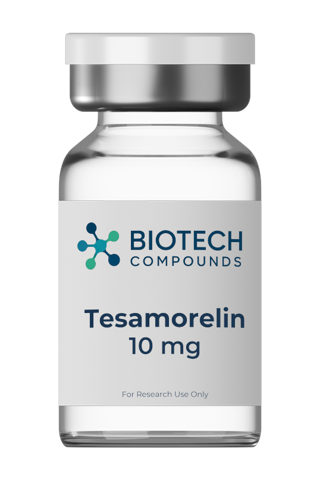
For researchers seeking to incorporate this powerful peptide into their studies, access to high-quality compounds is essential for obtaining reliable results. Research institutions can explore Tesamorelin options specifically designed for laboratory applications, ensuring the integrity and consistency necessary for advancing scientific understanding in this rapidly evolving field.