
Introduction
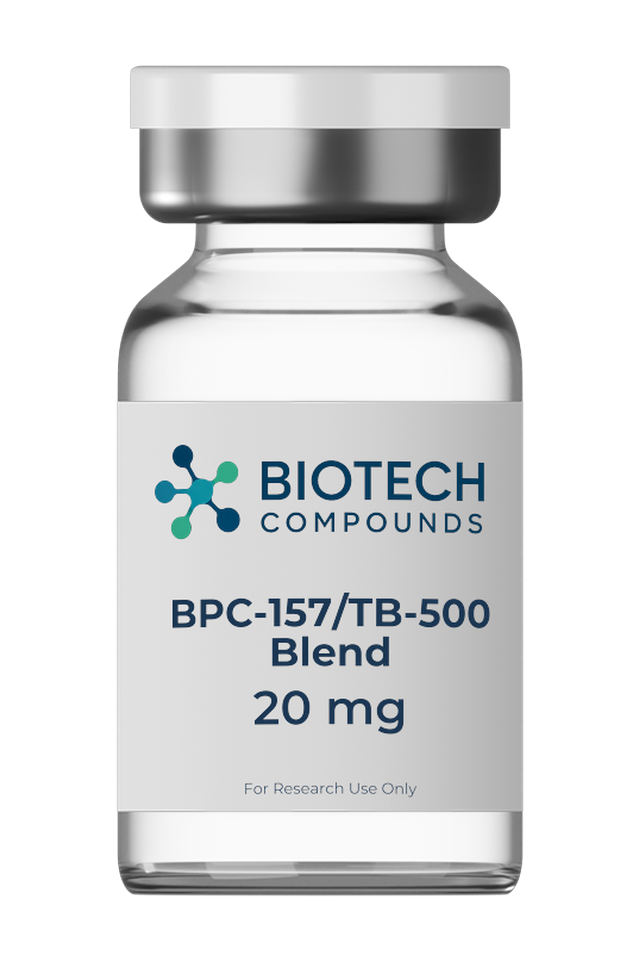
The BPC-157/TB-500 Blend mechanism represents a fascinating convergence of two distinct peptide pathways that researchers have extensively studied for their tissue repair properties. Body Protective Compound-157 (BPC-157), a synthetic fragment derived from human gastric juice proteins, works alongside TB-500, a synthetic version of thymosin beta-4's active region. These peptides demonstrate unique molecular mechanisms that complement each other in laboratory studies focused on tissue regeneration and repair processes.
Research into the BPC-157/TB-500 Blend mechanism has gained particular attention in studies examining conditions affecting connective tissues, including lateral epicondylitis (tennis elbow) and medial epicondylitis (golfers elbow). Both conditions involve tendon degeneration and inflammation at the elbow joint, making them valuable models for understanding how these peptides might influence tissue repair pathways at the molecular level.
BPC-157/TB-500 Blend Mechanism of Action
The BPC-157/TB-500 Blend operates through several interconnected pathways that researchers have identified through various experimental models. BPC-157's mechanism involves the modulation of growth factor expression, particularly vascular endothelial growth factor (VEGF) and fibroblast growth factor (FGF). Studies indicate that BPC-157 influences the Wnt signaling pathway, which plays a crucial role in tissue development and repair processes [1].
TB-500's mechanism centers on actin regulation and cell migration enhancement. The peptide binds to actin, a protein essential for cellular structure and movement, facilitating the migration of endothelial cells, keratinocytes, and fibroblasts to injury sites. Research demonstrates that TB-500 upregulates genes involved in cell survival and migration, including laminin-5 and collagen production [2].
The synergistic mechanism of the BPC-157/TB-500 Blend appears to enhance angiogenesis through complementary pathways. While BPC-157 promotes blood vessel formation through VEGF modulation, TB-500 facilitates endothelial cell migration and tube formation. In tennis elbow and golfers elbow research models, this dual mechanism could potentially address both the vascular insufficiency and cellular migration deficits observed in chronic tendinopathies.
Molecular studies suggest that the BPC-157/TB-500 Blend mechanism also influences inflammatory mediators. BPC-157 demonstrates anti-inflammatory properties by modulating cytokine expression, while TB-500 appears to reduce inflammatory cell infiltration. This dual anti-inflammatory mechanism could be particularly relevant in chronic conditions like tennis elbow, where persistent inflammation contributes to tissue degeneration.
Cellular Pathways and Molecular Targets
Research into the BPC-157/TB-500 Blend mechanism reveals complex interactions at the cellular level. BPC-157 activates the PI3K/Akt signaling pathway, which promotes cell survival and proliferation. Studies show that this activation leads to increased expression of genes involved in tissue repair, including those coding for extracellular matrix proteins [3].
The peptide also influences nitric oxide (NO) synthesis, which affects vascular function and tissue oxygenation. Laboratory studies demonstrate that BPC-157 can modulate both endothelial nitric oxide synthase (eNOS) and inducible nitric oxide synthase (iNOS), potentially optimizing NO levels for tissue repair while preventing excessive inflammatory responses.
TB-500's mechanism involves interaction with the actin cytoskeleton, but research indicates broader effects on gene expression. The peptide upregulates matrix metalloproteinases (MMPs) that facilitate tissue remodeling while simultaneously promoting the expression of tissue inhibitors of metalloproteinases (TIMPs) to prevent excessive degradation [4].
In tendinopathy research models relevant to golfers elbow and tennis elbow, the BPC-157/TB-500 Blend mechanism addresses multiple pathological features. These include collagen fiber disorganization, neovascularization abnormalities, and altered cellular proliferation patterns. The combined mechanism appears to promote organized collagen synthesis while supporting appropriate vascular development.
Research Findings on Tissue Repair Mechanisms
Research on tendon repair suggests that Research on gastric protection suggests that Research on healing peptide suggests that Experimental studies examining the BPC-157/TB-500 Blend mechanism have yielded compelling results across various tissue types. In tendon injury models, researchers observed enhanced collagen synthesis and improved fiber organization compared to control groups. The mechanism appears to promote Type I collagen production while maintaining appropriate ratios of other collagen types essential for tendon strength [5].
Angiogenesis studies reveal that the BPC-157/TB-500 Blend mechanism promotes controlled blood vessel formation. Unlike some growth factors that can lead to excessive or disorganized vascularization, the combined peptide mechanism appears to support physiologically appropriate vessel development. Research using corneal angiogenesis models showed dose-dependent increases in vessel formation with maintained vessel architecture.
Inflammation research demonstrates that the BPC-157/TB-500 Blend mechanism modulates rather than simply suppresses inflammatory responses. Studies measuring various inflammatory markers showed selective reduction in pro-inflammatory cytokines while maintaining beneficial inflammatory signals necessary for proper healing. In models resembling tennis elbow pathology, this balanced approach to inflammation could support resolution of chronic inflammatory states.
Wound healing studies provide insights into the temporal aspects of the BPC-157/TB-500 Blend mechanism. Research indicates that the peptides influence different phases of healing, with early effects on inflammatory resolution and later effects on tissue remodeling. Histological analysis shows improved tissue organization and reduced scar formation in experimental wounds treated with the peptide combination.
Applications in Connective Tissue Research
The BPC-157/TB-500 Blend mechanism has particular relevance for connective tissue disorders affecting athletes and active individuals. Tennis elbow (lateral epicondylitis) involves degeneration of the extensor carpi radialis brevis tendon, while golfers elbow (medial epicondylitis) affects the common flexor tendon origin. Both conditions share pathophysiological features that the combined peptide mechanism might address.
Research models of tendinopathy demonstrate that the BPC-157/TB-500 Blend mechanism influences key pathological processes. These include the transformation of normal tendon tissue into a disorganized, painful state characterized by altered collagen structure, abnormal vascularization, and persistent inflammation. Laboratory studies suggest that the peptide combination's mechanism could promote restoration of normal tendon architecture.
Ligament research has also examined the BPC-157/TB-500 Blend mechanism, particularly in models of acute and chronic injury. Studies show enhanced mechanical properties in treated specimens, with improvements in tensile strength and elasticity. The mechanism appears to support proper collagen cross-linking and fiber alignment, crucial factors in ligament function.
Muscle tissue research reveals additional applications for the BPC-157/TB-500 Blend mechanism. Studies examining muscle injury models show accelerated regeneration and reduced fibrosis. The mechanism appears to support satellite cell activation and myoblast proliferation while promoting appropriate muscle fiber organization. For conditions like tennis elbow and golfers elbow, where muscle-tendon junction pathology contributes to symptoms, this broader mechanism could provide comprehensive tissue support.
Dosage and Administration Considerations in Research
Understanding the BPC-157/TB-500 Blend mechanism requires careful consideration of dosage relationships and administration protocols in research settings. Studies examining dose-response relationships show that the mechanism exhibits non-linear effects, with optimal tissue repair responses occurring within specific concentration ranges [6].
Research protocols typically employ the BPC-157/TB-500 Blend in ratios that maximize the synergistic mechanism while minimizing potential interference between the peptides. Studies suggest that the timing of administration relative to injury can influence mechanism activation, with early intervention showing different molecular responses compared to delayed treatment.
Pharmacokinetic research reveals that the BPC-157/TB-500 Blend mechanism involves different absorption and distribution patterns for each peptide. BPC-157 demonstrates rapid tissue penetration with local effects, while TB-500 shows more systemic distribution. Understanding these pharmacokinetic differences helps researchers optimize experimental protocols to maximize mechanism activation.
Stability studies indicate that the BPC-157/TB-500 Blend mechanism remains active under various storage and preparation conditions. Research shows maintained biological activity when peptides are reconstituted according to established protocols, ensuring consistent mechanism activation across experimental conditions.
Safety Profile and Research Limitations
Current research on the BPC-157/TB-500 Blend mechanism indicates a favorable safety profile in laboratory studies. Toxicology research has not identified significant adverse effects at doses that produce therapeutic mechanism activation. Studies examining repeated administration show no evidence of tolerance development or mechanism desensitization [7].
However, research limitations exist in understanding the long-term effects of mechanism activation. Most studies examine acute to subacute timeframes, leaving questions about sustained mechanism effects and potential adaptations. Additionally, research has primarily focused on injury models, with limited investigation of mechanism effects in healthy tissue.
The complexity of the BPC-157/TB-500 Blend mechanism also presents research challenges. Isolating the contributions of individual peptides versus synergistic effects requires sophisticated experimental designs. Some studies suggest that the mechanism may vary depending on tissue type and injury conditions, indicating the need for condition-specific research.
Regulatory considerations affect research applications of the BPC-157/TB-500 Blend mechanism. While laboratory and animal studies can proceed under appropriate institutional oversight, the peptides remain investigational compounds not approved for human therapeutic use. Researchers must ensure compliance with relevant regulations governing peptide research.
Future Research Directions
Emerging research into the BPC-157/TB-500 Blend mechanism continues to reveal new therapeutic targets and applications. Advanced molecular techniques are uncovering additional pathways influenced by the peptide combination, including epigenetic modifications that may contribute to sustained tissue repair effects.
Biomechanical research is examining how the BPC-157/TB-500 Blend mechanism translates molecular effects into functional improvements. Studies measuring tissue mechanical properties before and after treatment provide insights into the clinical relevance of mechanism activation. For conditions like tennis elbow and golfers elbow, where functional restoration is the primary goal, this research direction holds particular promise.
Combination therapy research explores how the BPC-157/TB-500 Blend mechanism might synergize with other therapeutic approaches. Studies examining peptide combinations with growth factors, stem cell therapy, and physical rehabilitation techniques could optimize treatment protocols for various conditions.
Personalized medicine approaches are beginning to examine how genetic and physiological factors might influence the BPC-157/TB-500 Blend mechanism. Research into biomarkers that predict mechanism responsiveness could help identify optimal treatment candidates and customize dosing protocols.
Conclusion
The BPC-157/TB-500 Blend mechanism represents a sophisticated approach to tissue repair that addresses multiple pathological processes simultaneously. Through complementary pathways involving growth factor modulation, angiogenesis promotion, and inflammatory regulation, these peptides offer researchers powerful tools for studying tissue regeneration and repair.
Research applications spanning tendon, ligament, and muscle tissue demonstrate the versatility of the BPC-157/TB-500 Blend mechanism. For specific conditions like tennis elbow and golfers elbow, the mechanism addresses key pathophysiological features that contribute to chronic pain and dysfunction. As research continues to elucidate the molecular details of mechanism activation, new therapeutic applications and optimization strategies will likely emerge.
Scientists interested in exploring tissue repair mechanisms can examine the BPC-157/TB-500 Blend as a research tool for investigating complex regenerative processes. The growing body of research supporting the mechanism's effectiveness across multiple tissue types makes it an valuable addition to tissue engineering and regenerative medicine research programs. Learn more about BPC-157/TB-500 Blend research.