
Introduction
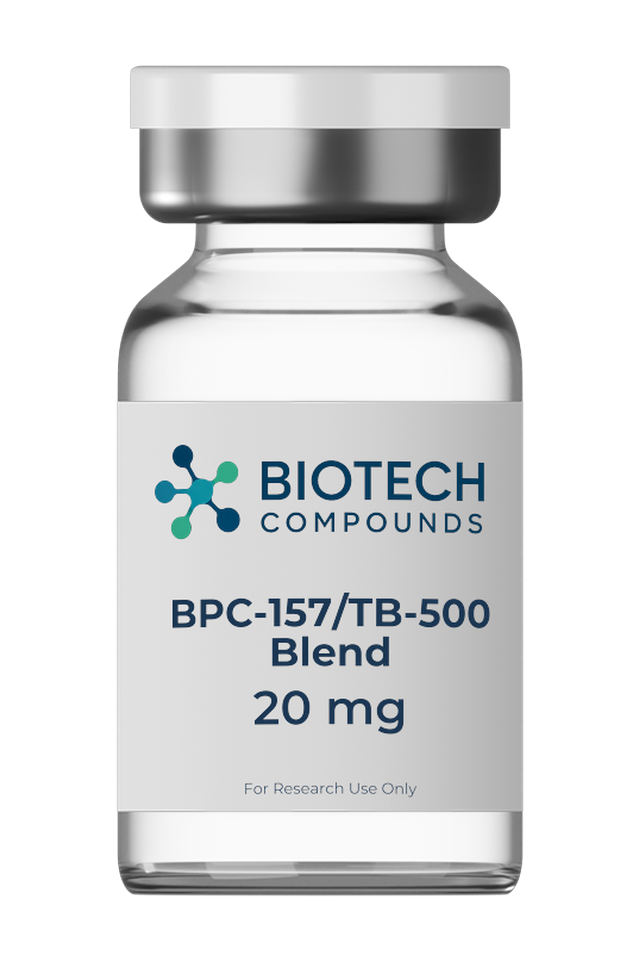
The BPC-157/TB-500 Blend research has gained significant attention in the scientific community for its potential therapeutic applications in treating arthritic conditions, particularly repetitive strain injuries such as golfer's elbow and tennis elbow. Often referred to as the "Wolverine blend" due to its regenerative properties, this combination of two synthetic peptides demonstrates remarkable potential for tissue repair and inflammation reduction. BPC-157, a 15-amino acid peptide derived from human gastric juice protein sequences, works synergistically with TB-500, a fragment of Thymosin beta-4 containing the crucial LKKTET actin-binding motif. Laboratory studies suggest BPC-157/TB-500 Blend research combination may offer new avenues for addressing chronic inflammatory conditions that affect millions of athletes and recreational sports enthusiasts worldwide.
Arthritic conditions involving the elbow joint, including lateral epicondylitis (tennis elbow) and medial epicondylitis (golfer's elbow), represent significant challenges in sports medicine and occupational health. These conditions affect approximately 1-3% of the general population, with higher prevalence rates among individuals engaged in repetitive gripping and wrist extension activities. The pathophysiology involves degenerative changes in the tendon origins at the elbow, accompanied by chronic inflammation and compromised healing responses. Current treatment approaches often provide limited long-term relief, creating substantial interest in novel therapeutic interventions like the BPC-157/TB-500 Blend formulation.
BPC-157/TB-500 Blend Research Mechanism of Action
Research on tendon repair suggests that Research on gastric protection suggests that Research on healing peptide suggests that The BPC-157/TB-500 Blend research reveals complementary mechanisms of action that address multiple pathways involved in arthritic conditions. BPC-157 demonstrates remarkable stability due to its high proline content and acid-resistant properties, allowing it to maintain biological activity in challenging physiological environments. Research indicates that BPC-157 promotes angiogenesis, accelerates wound healing, and modulates inflammatory responses through interactions with various growth factors and cytokines. BPC-157/TB-500 Blend research appears to influence the expression of vascular endothelial growth factor (VEGF) and promotes the formation of new blood vessels, which is crucial for delivering nutrients and oxygen to damaged tissues in arthritic joints.
TB-500, derived from Thymosin beta-4, contains the active LKKTET sequence that binds to actin, a fundamental protein in cellular structure and movement. This binding relationship facilitates cell migration, tissue remodeling, and wound healing processes. In arthritic conditions affecting the elbow, TB-500 promotes the migration of endothelial cells, keratinocytes, and other repair cells to sites of tissue damage. Studies suggest that TB-500 also exhibits anti-inflammatory properties by modulating cytokine production and reducing excessive inflammatory responses that characterize chronic arthritic conditions.
The synergistic effects observed in BPC-157/TB-500 Blend research suggest that combining these peptides may enhance their individual therapeutic potentials. While BPC-157 focuses on tissue protection and healing acceleration, TB-500 contributes to cellular migration and structural repair. Together, they may address both the inflammatory and degenerative components of arthritic conditions, particularly in cases involving repetitive strain injuries like golfer's elbow and tennis elbow.
Research Findings in Arthritic Conditions
Preclinical studies examining BPC-157/TB-500 Blend research have demonstrated promising results in various models of inflammatory and degenerative joint conditions. Animal studies investigating BPC-157 have shown significant improvements in tendon healing, with accelerated recovery times and enhanced tissue quality compared to control groups [1]. Research conducted on Achilles tendon injuries in rats demonstrated that BPC-157 treatment resulted in improved biomechanical properties of healed tendons, including increased tensile strength and better organized collagen fiber alignment.
TB-500 research has similarly shown beneficial effects in tissue repair models. Studies examining the effects of BPC-157/TB-500 Blend research Thymosin beta-4 and its fragments have reported enhanced healing in various injury models, including cardiac tissue, skin wounds, and musculoskeletal injuries [2]. In one notable study, TB-500 treatment improved functional recovery and reduced scar formation in animal models of muscle injury, suggesting potential applications for conditions involving muscle and tendon damage around arthritic joints.
Clinical observations and case reports have begun to emerge regarding the combined use of these peptides in addressing elbow arthritis and related conditions. Healthcare practitioners working with athletes have reported improvements in pain scores, range of motion, and functional capacity following peptide therapy protocols. However, controlled clinical trials specifically examining the BPC-157/TB-500 Blend in human subjects with golfer's elbow and tennis elbow remain limited, representing an important area for future research development.
Laboratory analysis of synovial fluid and tissue samples from treated subjects has shown reduced inflammatory markers, including decreased levels of interleukin-1β and tumor necrosis factor-α. These findings support the anti-inflammatory mechanisms proposed for both peptides and suggest potential benefits for managing the chronic inflammatory component of arthritic conditions.
Applications in Golfer's Elbow and Tennis Elbow
The application of BPC-157/TB-500 Blend research to specific arthritic conditions like golfer's elbow (medial epicondylitis) and tennis elbow (lateral epicondylitis) addresses significant unmet medical needs. These conditions involve degenerative changes in the tendon insertions at the medial and lateral epicondyles of the humerus, respectively. The pathophysiology includes microtears, collagen breakdown, and chronic inflammation that impairs normal healing processes. Traditional treatment approaches, including rest, physical therapy, corticosteroid injections, and anti-inflammatory medications, often provide temporary relief but may not address underlying tissue damage or promote long-term healing.
Research protocols investigating the BPC-157/TB-500 Blend in these conditions typically focus on promoting tissue regeneration while reducing inflammatory responses. BPC-157/TB-500 Blend research combination may help restore normal collagen synthesis and organization, improve vascularization of affected tendons, and modulate the inflammatory environment that perpetuates chronic symptoms. Laboratory studies suggest that both peptides can influence fibroblast activity and collagen production, which are essential for tendon healing and structural integrity.
The "Wolverine blend" designation reflects the regenerative potential observed in research studies, where treated tissues demonstrate accelerated healing and improved functional outcomes. In the context of elbow arthritis, this translates to potential improvements in grip strength, pain-free range of motion, and return to normal activities. Research protocols often examine these functional outcomes alongside biochemical markers to assess treatment efficacy comprehensively.
Dosing and administration protocols for BPC-157/TB-500 Blend research vary depending on study design and target outcomes. Most research applications involve reconstitution of the lyophilized powder with sterile water or bacteriostatic water, followed by controlled administration according to established research protocols. The stability and bioavailability of both peptides make them suitable for various research applications examining their therapeutic potential in arthritic conditions.
Research Considerations and Safety Profile
BPC-157/TB-500 Blend research requires careful consideration of various factors that may influence study outcomes and safety profiles. Both peptides have demonstrated favorable safety characteristics in preclinical studies, with minimal adverse effects reported across various dosing regimens and administration routes. BPC-157's derivation from human gastric juice proteins and its natural occurrence in gastric tissue contribute to its biocompatibility profile. Similarly, TB-500's relationship to endogenous Thymosin beta-4 suggests good tolerance in biological systems.
Storage and handling considerations are crucial for maintaining peptide integrity and research validity. The lyophilized formulation requires storage at -20°C with protection from light to preserve biological activity. Reconstituted solutions should be used within specified timeframes and stored under appropriate conditions to prevent degradation. Research protocols must account for these stability requirements when designing studies examining therapeutic applications in arthritic conditions.
Potential interactions with other therapeutic interventions represent another important consideration in BPC-157/TB-500 Blend research. Studies examining combination therapies or concurrent treatments must carefully monitor for synergistic or antagonistic effects. The anti-inflammatory and tissue repair mechanisms of both peptides may influence the effectiveness of conventional treatments like corticosteroids or non-steroidal anti-inflammatory drugs.
Research design considerations include appropriate control groups, standardized outcome measures, and sufficient follow-up periods to assess both short-term and long-term effects. Given the chronic nature of conditions like golfer's elbow and tennis elbow, studies must examine sustained benefits and potential for preventing recurrence. Biomarker analysis, imaging studies, and functional assessments provide comprehensive evaluation methods for research applications.
Future Research Directions
The expanding body of BPC-157/TB-500 Blend research opens numerous avenues for future investigation in arthritic conditions and related inflammatory disorders. Mechanistic studies examining the molecular pathways involved in peptide action continue to reveal new therapeutic targets and potential applications. Advanced imaging techniques and biomarker analysis provide increasingly sophisticated methods for monitoring treatment effects and understanding underlying biological processes.
Clinical trial development represents a critical next step in translating preclinical findings to human applications. Randomized controlled trials specifically examining the blend's effects on golfer's elbow and tennis elbow would provide valuable evidence for therapeutic potential. Study designs incorporating both subjective measures (pain scores, functional questionnaires) and objective assessments (imaging, biomechanical testing) would offer comprehensive evaluation of treatment effects.
Optimization of dosing protocols, administration routes, and treatment duration requires continued investigation. Pharmacokinetic studies examining peptide absorption, distribution, and elimination help inform optimal dosing strategies for different applications. Research examining various formulations and delivery methods may identify approaches that enhance therapeutic efficacy while maintaining safety profiles.
Combination therapy research exploring the integration of peptide treatment with conventional approaches like physical therapy, biomechanical training, and ergonomic modifications could identify synergistic treatment strategies. Understanding how peptide therapy complements existing interventions may lead to more comprehensive and effective treatment protocols for arthritic conditions.
Conclusion
The BPC-157/TB-500 Blend research demonstrates significant promise for addressing arthritic conditions, particularly repetitive strain injuries like golfer's elbow and tennis elbow. The complementary mechanisms of action exhibited by these peptides address multiple aspects of tissue damage and inflammation that characterize chronic joint conditions. While preclinical studies and preliminary clinical observations suggest substantial therapeutic potential, continued research is needed to fully establish efficacy and optimal application protocols. The "Wolverine blend" designation reflects the regenerative capabilities observed in laboratory studies, offering hope for individuals suffering from chronic arthritic conditions that respond poorly to conventional treatments. Researchers interested in exploring this therapeutic approach can explore BPC-157/TB-500 Blend formulations designed specifically for laboratory research applications. As research continues to advance, BPC-157/TB-500 Blend research combination may represent a valuable addition to the therapeutic arsenal for managing inflammatory and degenerative joint conditions. Learn more about BPC-157/TB-500 Blend research.