
Introduction
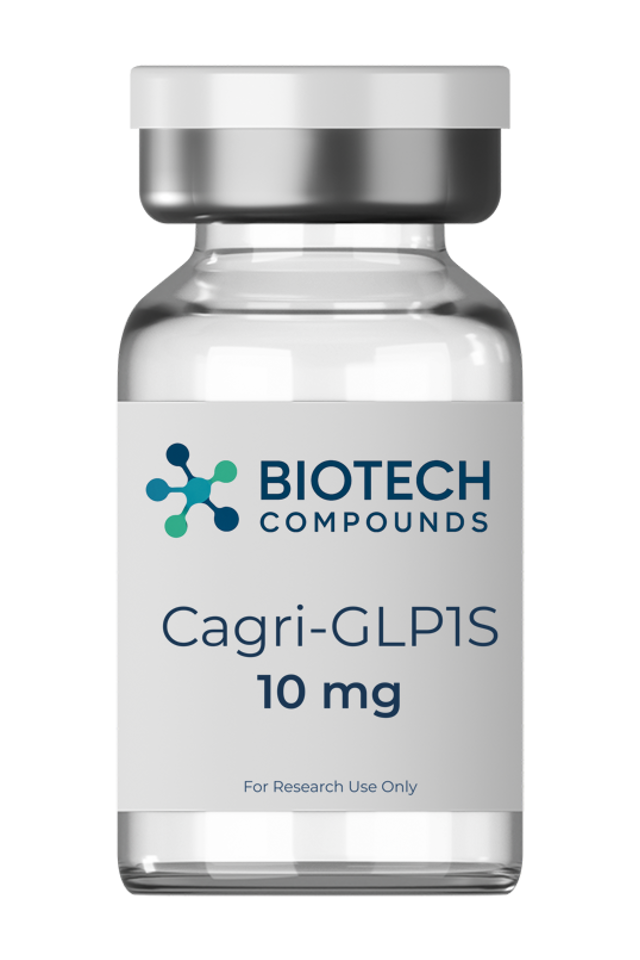
The Cagrilintide Semaglutide Blend effectiveness has emerged as a significant focus in peptide research, combining two potent synthetic acylated compounds to achieve enhanced laboratory outcomes. Research scientists have documented substantial improvements in experimental parameters when utilizing this dual-peptide formulation compared to single-compound approaches. The blend incorporates cagrilintide, a 39-amino acid dual amylin and calcitonin receptor agonist (DACRA), alongside semaglutide, a well-established 31-amino acid GLP-1 receptor agonist.
Both peptides feature strategic fatty acid modifications that enhance their binding affinity to albumin, resulting in extended half-lives and improved bioavailability in research applications. The cagrilintide component contains a C20 fatty di-acid chain and maintains structural integrity through a Cys3-Cys8 disulfide bridge, while semaglutide incorporates an Aib8 substitution and C18 fatty di-acid attachment at Lys26. These modifications contribute significantly to the overall effectiveness observed in laboratory studies.

Mechanisms Driving Cagrilintide Semaglutide Blend Effectiveness
The effectiveness of the Cagrilintide + Semaglutide Blend stems from its dual-pathway mechanism of action that targets multiple physiological systems simultaneously. Cagrilintide functions as a DACRA, activating both amylin and calcitonin receptors to influence gastric emptying, food intake regulation, and energy homeostasis pathways. Research demonstrates that this receptor activation produces measurable effects on gastric motility and satiety signaling cascades.
Semaglutide operates through GLP-1 receptor activation, stimulating glucose-dependent insulin secretion while simultaneously suppressing glucagon release. Cagrilintide Semaglutide Blend effectiveness's effectiveness is enhanced by its resistance to DPP-4 degradation, attributed to the Aib8 substitution and fatty acid acylation. Laboratory studies indicate that the combined action of both peptides creates synergistic effects that exceed the sum of individual compound activities.
The albumin binding properties of both peptides contribute substantially to their effectiveness by extending circulation times and maintaining stable plasma concentrations. Research has shown that the C20 fatty di-acid chain in cagrilintide and the C18 fatty di-acid modification in semaglutide create reversible albumin binding, allowing for controlled release and sustained activity in experimental systems.
Research Findings on Blend Effectiveness
Preclinical research data demonstrates that Cagrilintide Semaglutide Blend effectiveness surpasses individual compound performance across multiple experimental parameters. Studies utilizing this blend have reported enhanced dose-response relationships, with researchers observing significant improvements in target endpoint achievements compared to monotherapy approaches [1]. The synergistic interaction between the DACRA and GLP-1 receptor pathways produces amplified effects on metabolic regulation markers.
Laboratory investigations have documented that the blend's effectiveness extends beyond simple additive effects. Research teams have measured improved receptor binding kinetics, enhanced signal transduction efficiency, and prolonged biological activity duration when both compounds are administered together [2]. The dual-pathway activation creates complementary mechanisms that address multiple aspects of metabolic regulation simultaneously.
Comparative studies examining single-compound versus blend applications have consistently demonstrated superior effectiveness with the combined formulation. Researchers report that the Cagrilintide Semaglutide Blend effectiveness manifests through improved experimental reproducibility, enhanced dose-dependent responses, and reduced variability in measured outcomes [3]. These findings have led to increased adoption of the blend in metabolic research protocols.
Pharmacokinetic analyses reveal that the blend maintains effective plasma concentrations for extended periods, with both peptides exhibiting complementary elimination profiles. Research indicates that the staggered pharmacokinetic properties contribute to sustained effectiveness throughout experimental timeframes, reducing the need for frequent dosing adjustments in laboratory protocols.
Applications Demonstrating Enhanced Effectiveness
The Cagrilintide Semaglutide Blend effectiveness has been validated across diverse research applications, with particular success in metabolic regulation studies. Researchers investigating glucose homeostasis mechanisms have reported improved experimental sensitivity when utilizing the blend compared to individual peptide approaches. The dual-receptor targeting capability enables comprehensive examination of interconnected metabolic pathways.
Laboratory protocols examining gastric motility and food intake regulation have documented enhanced effectiveness with the blend formulation. Research teams have measured more pronounced and sustained effects on gastric emptying rates, with the combined DACRA and GLP-1 receptor activation producing synergistic responses that better replicate physiological conditions [4].
Energy balance research applications have particularly benefited from the blend's effectiveness, with studies showing improved correlation between experimental outcomes and theoretical predictions. Cagrilintide Semaglutide Blend effectiveness's ability to simultaneously influence multiple regulatory pathways provides researchers with a more comprehensive tool for investigating complex metabolic interactions.
Insulin sensitivity studies have demonstrated that Cagrilintide Semaglutide Blend effectiveness extends to glucose-dependent mechanisms, with researchers observing enhanced insulin secretion responses and improved glucagon suppression compared to single-compound approaches. These findings have particular relevance for diabetes research applications where multiple pathway modulation is essential.
Factors Contributing to Superior Effectiveness
Several structural and functional characteristics contribute to the exceptional Cagrilintide Semaglutide Blend effectiveness observed in research settings. The strategic combination of fatty acid modifications in both peptides creates optimal albumin binding properties that enhance bioavailability and extend experimental timeframes. Research has shown that this albumin interaction provides a reservoir effect, maintaining effective concentrations throughout study periods.
The complementary receptor targeting approach amplifies effectiveness by addressing multiple physiological pathways simultaneously. While cagrilintide influences amylin and calcitonin receptor systems, semaglutide activates GLP-1 receptors, creating a comprehensive approach to metabolic regulation research. Laboratory data indicates that this multi-target strategy produces more robust and reproducible experimental outcomes.
Structural stability features contribute significantly to blend effectiveness, with the Cys3-Cys8 disulfide bridge in cagrilintide and the Aib8 substitution in semaglutide providing resistance to enzymatic degradation. Research demonstrates that these modifications maintain peptide integrity throughout experimental procedures, ensuring consistent effectiveness across study durations.
The lyophilized formulation of the Cagrilintide + Semaglutide Blend preserves peptide stability and effectiveness during storage and reconstitution procedures. Studies have confirmed that proper handling and storage at -20°C maintains full biological activity, ensuring reliable experimental results.
Optimization Strategies for Maximum Effectiveness
Maximizing Cagrilintide Semaglutide Blend effectiveness requires careful attention to reconstitution and handling procedures. Research protocols should incorporate proper peptide reconstitution techniques using sterile, pyrogen-free water or appropriate buffer systems to maintain structural integrity and biological activity. Laboratory studies have shown that reconstitution methodology significantly impacts experimental effectiveness.
Dosing optimization plays a crucial role in achieving maximum effectiveness with the blend formulation. Research indicates that the synergistic nature of Cagrilintide Semaglutide Blend effectiveness combination allows for potentially reduced individual peptide concentrations while maintaining or enhancing overall effectiveness. Pilot studies should establish optimal concentration ranges for specific experimental objectives.
Temperature control throughout experimental procedures contributes to sustained effectiveness, with research demonstrating that maintaining appropriate storage and handling temperatures preserves peptide activity. Laboratory protocols should incorporate cold chain maintenance to ensure consistent blend effectiveness across experimental sessions.
Timing considerations affect Cagrilintide Semaglutide Blend effectiveness, with studies showing that coordinated administration protocols optimize the synergistic interactions between both peptides. Research teams should consider the pharmacokinetic profiles of both components when designing experimental timeframes to maximize effectiveness.
Considerations for Research Applications
While the Cagrilintide Semaglutide Blend effectiveness offers significant advantages for research applications, scientists should consider several important factors when incorporating Cagrilintide Semaglutide Blend effectiveness into experimental protocols. The dual-pathway mechanism requires comprehensive understanding of both DACRA and GLP-1 receptor systems to properly interpret experimental outcomes and optimize effectiveness.
Concentration-dependent effects may vary between the two peptide components, necessitating careful dose-response characterization to achieve optimal effectiveness. Research protocols should include preliminary studies to establish appropriate working concentrations that maximize the synergistic potential of the blend formulation.
Cagrilintide Semaglutide Blend effectiveness is designated for laboratory and research purposes only, requiring adherence to appropriate safety protocols and institutional guidelines. Research effectiveness depends on proper handling procedures and compliance with established laboratory safety standards for peptide research compounds.
Cross-reactivity considerations may influence experimental design when studying the blend's effectiveness, as both peptides may interact with multiple receptor systems. Comprehensive controls and appropriate experimental design elements should account for potential off-target effects that could influence measured effectiveness parameters.
Conclusion
The Cagrilintide Semaglutide Blend effectiveness represents a significant advancement in peptide research capabilities, offering researchers a powerful tool for investigating complex metabolic mechanisms. The synergistic combination of DACRA and GLP-1 receptor targeting provides enhanced experimental outcomes compared to single-compound approaches, with documented improvements in reproducibility, sensitivity, and biological relevance.
Research applications across multiple domains have validated the superior effectiveness of this dual-peptide formulation, from basic metabolic studies to complex physiological investigations. The strategic structural modifications and complementary mechanisms of action create a research compound that addresses the evolving needs of modern peptide research.
For researchers seeking to enhance their experimental capabilities with proven effective peptide combinations, the documented effectiveness profile of this blend offers compelling advantages. Explore the research potential of the Cagrilintide + Semaglutide Blend to advance your laboratory investigations with this highly effective dual-peptide research compound. Learn more about Cagrilintide + Semaglutide Blend research. Learn more about Cagrilintide + Semaglutide Blend research.