
Introduction
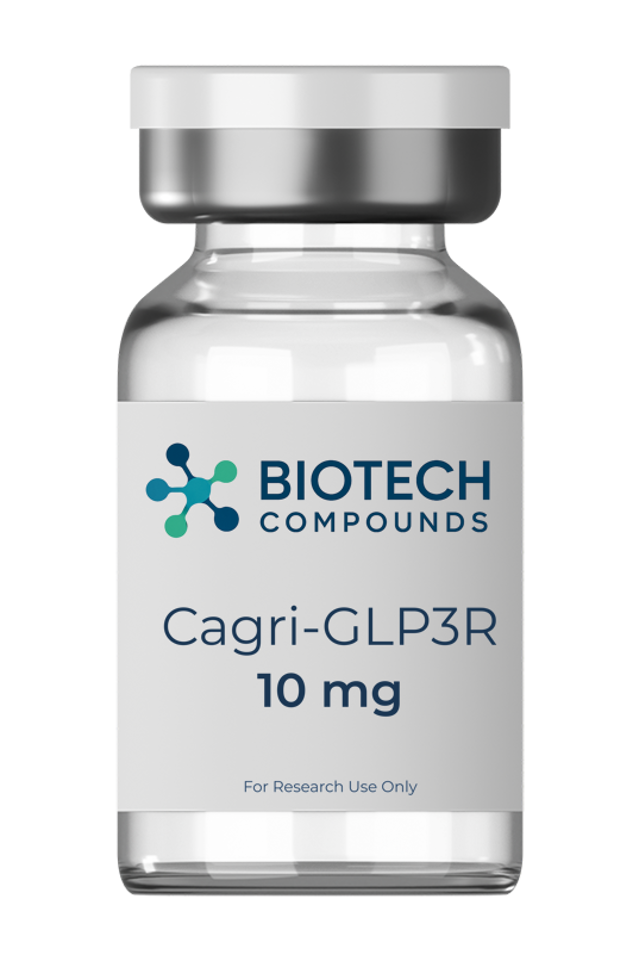
The development of multi-target therapeutic approaches has revolutionized metabolic research, with the quadruple GLP agonist Cagri-Reta emerging as a significant advancement in this field. Unlike traditional single-pathway interventions, this innovative dual-peptide formulation simultaneously targets four distinct metabolic signaling pathways: GLP-1, GIP, glucagon, and amylin receptors. Research scientists investigating complex metabolic interactions now have access to a compound that addresses multiple physiological mechanisms within a single formulation.
Cagri-Reta combines two engineered peptides, cagrilintide and retatrutide, each designed with specific structural modifications to enhance stability and extend half-life. The formulation represents a convergence of amylin-receptor signaling and incretin/glucagon-receptor pathways, offering researchers a comprehensive tool for studying integrated metabolic responses. Both peptides incorporate fatty acid modifications that facilitate albumin binding, contributing to their prolonged duration of action in experimental systems.
Quadruple GLP Agonist Mechanism of Action
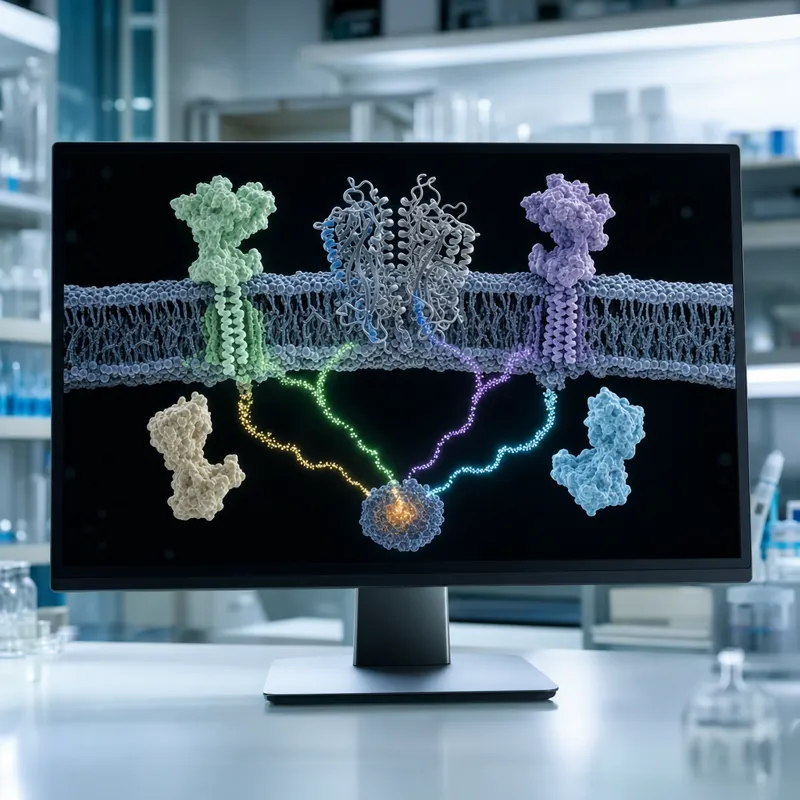
The quadruple GLP agonist properties of Cagri-Reta stem from its dual-component design, where each peptide contributes distinct receptor interactions. Retatrutide functions as a unimolecular triple agonist, demonstrating binding affinities in the low-nanomolar range across glucagon receptors (GCGR), glucose-dependent insulinotropic polypeptide receptors (GIPR), and glucagon-like peptide-1 receptors (GLP-1R). This triple agonism creates a coordinated incretin response that influences glucose homeostasis, insulin sensitivity, and energy expenditure.
Cagrilintide complements this triple agonism by targeting amylin receptors (AMYR) and calcitonin receptors (CTR), effectively creating the fourth pathway of action that defines this quadruple GLP agonist system. As a 39-amino-acid acylated analog of endogenous amylin, cagrilintide mimics the pancreatic hormone co-secreted with insulin. The peptide incorporates a C20 fatty-diacid modification and maintains a C3-C8 disulfide bridge that confers structural stability while preserving biological activity.
The synergistic mechanism of this quadruple GLP agonist involves multiple downstream signaling cascades. GLP-1R activation stimulates glucose-dependent insulin secretion and inhibits glucagon release, while GIPR agonism enhances insulin sensitivity and promotes incretin effects. Glucagon receptor activation paradoxically contributes to energy expenditure and hepatic glucose regulation, while amylin pathway stimulation influences gastric emptying rates and satiety signaling. Research indicates that these four pathways interact synergistically rather than additively, suggesting complex crosstalk mechanisms that amplify metabolic responses.
Research Findings and Clinical Development
Preclinical studies investigating this quadruple GLP agonist approach have demonstrated significant metabolic effects across multiple experimental models. Research examining retatrutide as a triple agonist showed dose-dependent improvements in glucose tolerance and insulin sensitivity, with effects sustained over extended observation periods [1]. Studies specifically evaluating the triple agonist component found that simultaneous GLP-1, GIP, and glucagon receptor activation produced metabolic benefits exceeding those observed with dual agonist combinations.
Cagrilintide research has focused on its role as an amylin analog, with investigations revealing its capacity to modulate food intake behaviors and gastric motility. Clinical trials examining cagrilintide demonstrated significant effects on appetite regulation and body weight parameters when administered as monotherapy [2]. The long-acting properties conferred by its acylation pattern allowed for once-weekly dosing regimens in clinical settings, supporting the feasibility of extended-release formulations.
Combined formulation studies represent an emerging area of research for this quadruple GLP agonist concept. Early investigations suggest that the concurrent activation of amylin and incretin pathways may produce complementary effects on energy balance and glucose regulation. Research protocols examining combination approaches have reported enhanced metabolic outcomes compared to individual component administration, though comprehensive dose-optimization studies remain ongoing [3].
Pharmacokinetic analyses of both peptide components reveal extended half-lives attributable to their fatty acid modifications. These structural features facilitate albumin binding, resulting in sustained plasma concentrations that support reduced dosing frequencies. Research examining the pharmacodynamic profiles indicates that peak biological effects occur within hours of administration, with sustained activity maintained over several days.
Applications in Metabolic Research
The quadruple GLP agonist properties of Cagri-Reta provide researchers with unique opportunities to investigate complex metabolic interactions. Studies examining multi-pathway interventions can utilize this formulation to evaluate the integrated responses of incretin, glucagon, and amylin signaling systems. Research applications include investigation of glucose homeostasis mechanisms, energy balance regulation, and appetite control pathways.
Experimental protocols investigating diabetes-related mechanisms benefit from the comprehensive receptor coverage provided by this quadruple GLP agonist system. Researchers can examine how simultaneous pathway activation influences insulin secretion patterns, glucagon suppression, and peripheral glucose utilization. The inclusion of amylin receptor activation adds gastric motility and satiety components that reflect the integrated nature of physiological glucose regulation.
Obesity research applications leverage the multi-target approach to investigate energy balance mechanisms. Studies can evaluate how the quadruple GLP agonist concept influences appetite regulation, energy expenditure, and metabolic rate. The combination of incretin effects with amylin-mediated satiety signaling provides a comprehensive model for examining weight regulation mechanisms.
Comparative research designs can utilize individual peptide components alongside the combined formulation to dissect pathway interactions. Such studies help identify synergistic effects and determine whether combined activation produces responses that exceed the sum of individual pathway effects. Research protocols examining dose-response relationships across multiple pathways contribute to understanding optimal activation patterns.
Structural Characteristics and Stability
The peptide components of this quadruple GLP agonist exhibit sophisticated structural modifications designed to enhance stability and extend biological activity. Retatrutide incorporates non-coded amino acid residues, including Aib2, Aib20, and α-Me-Leu13, which contribute to conformational stability and resistance to proteolytic degradation. The peptide backbone derives from GIP while incorporating modifications that confer activity across glucagon and GLP-1 receptors.
Cagrilintide maintains the core structural features of native amylin while incorporating strategic modifications that enhance pharmacological properties. The preserved C3-C8 disulfide bridge maintains the peptide's native conformation, ensuring appropriate receptor binding and activation. Both peptides feature C20 fatty-diacid conjugations that facilitate reversible albumin binding, contributing to their extended pharmacokinetic profiles.
Storage and handling characteristics reflect the engineered stability of both peptide components. The lyophilized powder formulation provides long-term stability under appropriate storage conditions, while reconstituted solutions maintain biological activity over extended periods when stored properly. Quality control analyses confirm that structural integrity and biological activity remain stable throughout recommended storage periods.
Considerations for Research Applications
Research applications utilizing this quadruple GLP agonist require careful consideration of dosing protocols and experimental design. The extended half-lives of both peptide components necessitate appropriate washout periods in crossover study designs. Researchers must account for the sustained biological effects when planning experimental timelines and interpreting results.
Experimental protocols should consider the complex pharmacodynamic interactions inherent in multi-pathway activation. The quadruple GLP agonist concept involves four distinct receptor systems with potentially overlapping downstream effects. Researchers designing mechanistic studies may need to incorporate pathway-specific inhibitors or genetic models to dissect individual pathway contributions.
Dose-response characterization represents a critical aspect of research design when working with multi-target compounds. The optimal activation ratios across the four receptor systems may vary depending on experimental objectives and model systems. Pilot studies examining dose ranges for individual components can inform combined formulation dosing strategies.
Storage and handling protocols require attention to maintain peptide stability and biological activity. Both components should be stored as lyophilized powder under appropriate temperature and humidity conditions. Reconstitution procedures should follow established protocols for peptide preparation, with considerations for pH, buffer composition, and storage duration of prepared solutions.
Future Research Directions
The quadruple GLP agonist approach represented by Cagri-Reta opens multiple avenues for future metabolic research. Investigations examining optimal receptor activation ratios could inform the development of next-generation multi-target compounds. Research exploring tissue-specific effects may reveal differential pathway utilization across metabolic organs.
Mechanistic studies investigating pathway crosstalk represent a significant research opportunity. Understanding how simultaneous activation of incretin, glucagon, and amylin pathways influences cellular signaling cascades could provide insights into metabolic regulation mechanisms. Such research may identify novel therapeutic targets or optimization strategies for multi-pathway interventions.
Long-term studies examining sustained multi-pathway activation effects remain limited. Research investigating chronic exposure to quadruple GLP agonist treatment could reveal adaptive responses or tolerance development. Such studies would inform dosing strategies and identify potential limitations of prolonged multi-target approaches.
Conclusion
Cagri-Reta represents a significant advancement in metabolic research tools, offering researchers access to a sophisticated quadruple GLP agonist system within a single formulation. The combination of cagrilintide and retatrutide provides simultaneous activation of amylin, GLP-1, GIP, and glucagon receptor pathways, enabling comprehensive investigation of metabolic interactions. Research applications span glucose homeostasis, energy balance, and appetite regulation studies, with the multi-target approach offering insights into integrated physiological responses. Scientists investigating complex metabolic mechanisms can explore Cagri-Reta as a valuable research tool for advancing our understanding of multi-pathway metabolic regulation. Learn more about Cagri-Reta research.