
BPC-157 Gastric Lesion Model: Study Overview
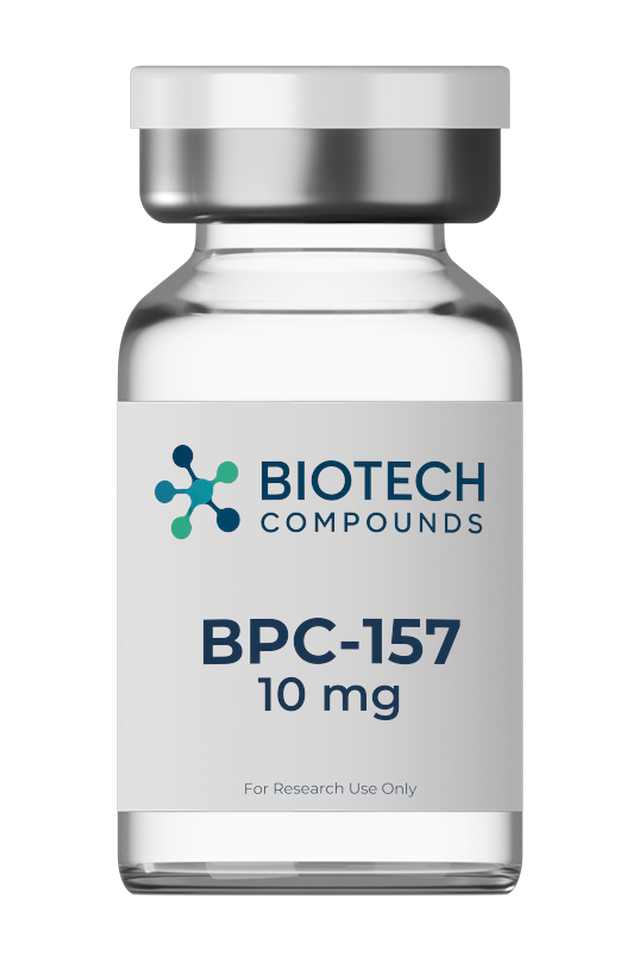
A peer-reviewed preclinical study examined the synthetic pentadecapeptide BPC-157 using a redefined version of Robert's intragastric alcohol-induced gastric lesion model. The BPC-157 gastric lesion model described in this work used a single high-concentration intragastric alcohol exposure, 96 percent alcohol, in rats to generate an injury pattern extending well beyond the stomach, including vascular, cardiac, pulmonary, hepatic, renal and central nervous system findings. This study has circulated in online discussions about BPC-157 research, though informal summaries of the findings often compress or overstate what the original data actually show. BPC-157 is supplied by Biotech Compounds as a lyophilized peptide intended strictly for laboratory and in vitro research; it is not supplied, labeled, or intended for use outside a controlled research setting. The remainder of this article walks through how the study was designed, what the alcohol-only control groups showed, what was reported in the BPC-157 groups, the mechanism proposed by the researchers, where the findings reach their limit, and how a laboratory can source documented material for its own replication work.
How the BPC-157 Gastric Lesion Model Was Designed
The study builds on a cytoprotection paradigm originally described in classic work by Robert and colleagues, in which intragastric alcohol produces gastric mucosal lesions in rodent models. The research team extended that design to test whether a single acute alcohol exposure could also reproduce a broader peripheral and central injury pattern similar to what is observed when major central or peripheral veins are occluded in animal models.
Rats were assigned to groups receiving intragastric alcohol alone or intragastric alcohol followed shortly afterward by BPC-157, with assessments made across several organ systems and multiple time points after exposure. This design choice matters because it allowed the researchers to compare a single acute insult against a wide panel of physiological and histological endpoints rather than relying on gastric lesion scoring alone, which is the outcome measure used in the original Robert model. The table below summarizes the endpoint categories reported in the study.
| Organ system | Endpoint measured |
|---|---|
| Stomach | Gastric mucosal lesion scoring |
| Brain | Superior sagittal sinus pressure, brain swelling, histological lesion assessment |
| Vascular system | Portal and vena caval pressure, aortal pressure, thrombosis, azygos vein patency |
| Heart | Electrocardiogram readings, histological assessment |
| Lung, liver, kidney | Histological assessment for hemorrhage and congestion |
Each endpoint category was assessed using standard physiological recording equipment or histological sectioning and scoring, according to the methods described in the study.
What Was Observed in the Alcohol-Only Control Groups
In the groups receiving intragastric alcohol without BPC-157, the researchers reported an injury pattern that extended across every system assessed rather than remaining limited to the stomach. Gastric mucosal lesions were accompanied by intracranial hypertension in the superior sagittal sinus, pronounced brain swelling, and histological findings consistent with intracerebral hemorrhage and degenerative changes in cerebral and cerebellar neurons. The vascular findings included portal and vena caval hypertension together with aortal hypotension, severe thrombosis, and congestion in the inferior vena cava and superior mesenteric vein.
The azygos vein, which can act as a collateral pathway when other vessels are compromised, was reported as failing to compensate in these animals. Electrocardiogram disturbances were recorded alongside histological lesions in the heart, described as an acute subendocardial infarct pattern, as well as lung parenchymal hemorrhage and congestion in the liver and kidney. Gastrointestinal tissue in these groups also showed epithelium loss and hemorrhagic gastritis. The researchers described this combined pattern as an escalated general peripheral and central syndrome, which is the basis for calling this an extended version of the original Robert cytoprotection model rather than a simple repeat of it.
What Was Reported in the BPC-157 Groups
When BPC-157 was introduced into the model shortly after alcohol exposure, the study reported a different pattern across the same panel of endpoints. Brain swelling and the vascular congestion patterns in the superior mesenteric vein and inferior vena cava were described as counteracted in these groups, and the azygos vein was reported to recover its function as a collateral pathway, which the researchers associated with improved collateral blood flow in the model. At the microscopic level, the study reported that BPC-157 counteracted the brain, heart, lung, liver, kidney and gastrointestinal lesions documented in the alcohol-only groups.
The gastric lesions characteristic of the original Robert model were also reduced relative to the control groups. The consistency of this pattern across multiple, physiologically distinct organ systems is one of the more notable features of the study, since it points to a systemic rather than organ-specific process in this particular model. The researchers used the term cytoprotective to describe this pattern, a term established in earlier gastric pharmacology literature to describe rapid tissue-level counteraction of chemically induced injury within an experimental model, distinct from any claim about effects outside a laboratory setting.
Proposed Mechanism and What the Study Did Not Measure
The researchers proposed that the pattern of findings may connect to activation of specific molecular pathways, and the summary references tracking changes at the gene expression level in some of the tissues examined. This is presented as consistent with earlier hypotheses from the same research group regarding BPC-157 and vascular or endothelial signaling activity in gastric cytoprotection models. Several aspects of the proposed mechanism remain open for further characterization.
The study does not identify a single defined receptor target, and it does not report a complete signaling cascade; it documents correlated changes in gene expression and histology alongside the physiological measurements rather than establishing a specific causal pathway between the two. The study also does not report outcomes beyond the acute time points assessed in this protocol, and it does not include data on any route of exposure other than the intragastric alcohol and peptide administration design used in this specific rodent model. Readers working from a summary alone should regard the gene expression claims as a pointer to the full results section rather than a complete description of the molecular findings.
Limits of the BPC-157 Gastric Lesion Model Study
As with any individual preclinical paper, this study has boundaries that matter for how the findings should be interpreted. The model is built on rats and a specific acute, high-concentration alcohol exposure protocol; it does not generalize to other species, other injury models, or chronic exposure conditions. The same research group has published extensively on BPC-157 cytoprotection models using similar designs, so independent replication by separate laboratories using comparable protocols provides useful context before drawing broader conclusions from a single study.
The gene expression findings referenced in the summary are described at a general level; a full review of the methods and results sections would be needed to assess which genes, tissues, and statistical thresholds were involved. The study also does not compare BPC-157 against other cytoprotective agents studied in similar models, so its findings describe a single peptide against a single injury model rather than a comparative ranking. None of the measured endpoints in this study involve human subjects, and every finding described here reflects what was observed in a rodent model system under a defined experimental protocol, not an outcome that extends to any other context.
Sourcing Verified BPC-157 for Research Replication
Laboratories planning replication or follow-up work based on this or related cytoprotection literature need a peptide source with documented identity and purity. BPC-157 is a 15-amino acid sequence, Gly-Glu-Pro-Pro-Pro-Gly-Lys-Pro-Ala-Asp-Asp-Ala-Gly-Leu-Val, with three consecutive proline residues that introduce conformational constraints relevant to its reported stability in acidic environments. It is supplied as a lyophilized powder that should be stored at -20 degrees Celsius until it is prepared according to a laboratory's own handling protocols. Biotech Compounds documents each lot with a certificate of analysis, and researchers can review lot-specific certificates of analysis before a material is used in an experimental design. For additional background on sequence identity, solubility characteristics, and how to read the documentation for BPC-157 gastric lesion model, see the related article on BPC-157 identity, purity and documentation for research labs. The current specification sheet for BPC-157 is available on the product page, and the peptide comparison resource is useful for researchers evaluating BPC-157 alongside other gastric or vascular research peptides under consideration for a study design.
For Research Use Only. This product is intended for laboratory and scientific research purposes only. It is not a drug or dietary supplement and is not for human or veterinary consumption. Not intended to diagnose, treat, cure, or prevent any disease. The statements made on this website have not been evaluated by the US Food and Drug Administration.