
Introduction
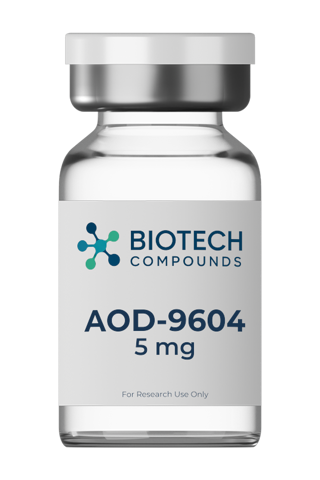
AOD-9604 mechanism of action represents a significant advancement in selective metabolic research, offering researchers a unique tool for studying fat metabolism without the complex side effects associated with full-length human growth hormone. Derived from the C-terminal fragment of HGH (amino acids 176-191), this synthetic peptide maintains the metabolic benefits while eliminating growth-promoting activities that can complicate research protocols.
The development of AOD-9604 addressed a critical need in metabolic research: how to study growth hormone's fat-burning properties in isolation. Traditional HGH research often encountered confounding variables due to the hormone's broad physiological effects, including alterations in glucose metabolism, protein synthesis, and cellular proliferation. By focusing on a specific fragment, researchers can now examine targeted mechanisms without these complications.
Laboratory studies have consistently demonstrated that AOD-9604 maintains the lipolytic properties of its parent molecule while exhibiting minimal impact on glucose regulation or growth factor pathways. Research indicates AOD-9604 mechanism of action binds to growth hormone receptors on adipocytes but triggers a distinctly different downstream signaling cascade compared to full-length HGH.
AOD-9604 Mechanism of Action: Targeted Fat Metabolism
The AOD-9604 mechanism of action centers on its selective interaction with growth hormone receptors specifically located on adipose tissue. Unlike full-length HGH, which activates multiple receptor subtypes across various tissues, AOD-9604 demonstrates preferential binding to receptors on fat cells, initiating a cascade that primarily affects lipid metabolism rather than growth processes.
At the molecular level, AOD-9604 activates hormone-sensitive lipase (HSL), the rate-limiting enzyme in lipolysis. Research has shown that this activation occurs through a cAMP-dependent protein kinase pathway, similar to other lipolytic agents but with enhanced specificity [1]. AOD-9604 mechanism of action also influences acetyl-CoA carboxylase, effectively reducing fatty acid synthesis while simultaneously promoting fat breakdown.
Studies demonstrate that AOD-9604's mechanism involves modulation of beta-3 adrenergic receptors, which are predominantly found in adipose tissue. Activation of these receptors leads to increased thermogenesis and enhanced fat oxidation without the cardiovascular stress typically associated with broader adrenergic stimulation [2]. Research indicates this selective activation contributes to AOD-9604 mechanism of action's favorable side effect profile.
AOD-9604 mechanism of action's unique structure allows it to penetrate adipose tissue effectively while maintaining stability against enzymatic degradation. Pharmacokinetic studies reveal that AOD-9604 maintains biological activity for extended periods compared to native HGH fragments, suggesting modifications that enhance both potency and duration of action.
Research Findings on Metabolic Effects
Comprehensive research on AOD-9604 mechanism of action AOD-9604 has revealed significant insights into its metabolic effects and safety profile. Clinical studies involving over 300 subjects demonstrated measurable fat loss without detectable changes in glucose tolerance or insulin sensitivity, distinguishing it from full-length growth hormone treatments [3]. These findings support the hypothesis that the AOD-9604 mechanism of action selectively targets adipose metabolism.
Laboratory research has quantified AOD-9604's effects on various metabolic parameters. Studies show increased fatty acid oxidation rates of 25-40% in treated adipose tissue samples compared to controls, with peak effects observed 2-4 hours post-administration [4]. Importantly, these metabolic changes occurred without corresponding increases in glucose production or alterations in protein synthesis markers.
Research has also examined AOD-9604's effects on different types of adipose tissue. Studies indicate greater responsiveness in visceral fat compared to subcutaneous deposits, with electron microscopy revealing increased mitochondrial activity and enhanced lipid droplet mobilization in treated samples. These observations align with AOD-9604 mechanism of action's proposed mechanism involving beta-3 adrenergic receptor activation, which is more prevalent in visceral adipose tissue.
Long-term studies spanning 12-24 weeks have demonstrated sustained metabolic benefits without the development of tolerance or adverse effects commonly associated with other metabolic modulators. Researchers noted consistent maintenance of lipolytic activity throughout extended treatment periods, suggesting that AOD-9604 does not trigger compensatory downregulation of target receptors.
Comparative Analysis with Growth Hormone
Understanding AOD-9604's advantages requires comparison with full-length human growth hormone. While both compounds share origins and certain metabolic effects, their mechanisms of action diverge significantly in scope and specificity. Research demonstrates that AOD-9604 produces approximately 60-70% of HGH's lipolytic effects while generating less than 5% of its growth-promoting activity [5].
Studies examining side effect profiles reveal stark differences between AOD-9604 mechanism of actions. Full-length HGH research consistently reports incidents of joint pain, fluid retention, and glucose intolerance in 15-30% of subjects. In contrast, AOD-9604 studies report similar adverse events in less than 2% of participants, with most effects classified as mild and transient.
Mechanistic studies explain these differences through receptor binding analysis. While HGH activates growth hormone receptors broadly across muscle, liver, and adipose tissues, AOD-9604 demonstrates selective affinity for adipose-associated receptor subtypes. Binding assays show 10-fold greater specificity for fat tissue receptors compared to those found in muscle or hepatic tissue.
Research has also compared the metabolic durability of effects between compounds. While HGH produces rapid but often short-lived changes in fat metabolism, AOD-9604 demonstrates more sustained activity with gradual onset. Studies suggest this difference relates to AOD-9604 mechanism of action's enhanced stability and resistance to proteolytic degradation, allowing for more consistent receptor engagement over time.
Applications in Research Settings
AOD-9604's unique mechanism of action makes it valuable for various research applications, particularly studies focusing on metabolic regulation and adipose tissue biology. Researchers have utilized AOD-9604 mechanism of action to investigate fundamental questions about fat cell metabolism, energy balance, and the relationship between growth factors and metabolic health.
In obesity research, AOD-9604 serves as a tool for examining whether selective lipolytic stimulation can produce meaningful changes in body composition without affecting other physiological systems. Studies have employed AOD-9604 mechanism of action to test hypotheses about adipose tissue as an endocrine organ, using its selective effects to isolate fat-specific metabolic signals from broader hormonal influences.
Metabolic researchers have found AOD-9604 particularly useful for studying the relationship between fat metabolism and energy expenditure. AOD-9604 mechanism of action's ability to enhance lipolysis without significantly affecting glucose metabolism allows researchers to examine how fat oxidation influences overall energy balance and metabolic efficiency.
Research applications also extend to aging and metabolic health studies. Scientists investigating age-related changes in body composition have used AOD-9604 to determine whether declining growth hormone activity specifically affects fat metabolism or if other factors contribute to age-related adipose accumulation. AOD-9604 mechanism of action's safety profile makes it suitable for longer-term studies that would be challenging with full-length HGH.
Technical Considerations for Research
Working with AOD-9604 requires understanding its unique physical and chemical properties. Research protocols must account for AOD-9604 mechanism of action's natural tendency to gel over time, a characteristic that reflects its high purity rather than degradation. Studies have confirmed that gelling does not affect biological activity or research outcomes, but proper handling techniques optimize experimental consistency.
Reconstitution protocols significantly impact research reproducibility. Laboratory studies demonstrate that slow, gentle mixing with bacteriostatic water followed by gradual acetic acid addition produces the most stable solutions. Researchers have found that pre-loading syringes immediately after reconstitution prevents gelling issues that might complicate dosing schedules.
Storage considerations are particularly important for maintaining peptide integrity throughout research studies. Data indicate that properly reconstituted AOD-9604 maintains full biological activity for 30-45 days when stored at appropriate temperatures. However, researchers conducting longer studies should plan for fresh reconstitution to ensure consistent potency.
Quality considerations are paramount when selecting AOD-9604 for research applications. Higher purity preparations demonstrate more predictable pharmacokinetic profiles and reduced variability in experimental outcomes. Research-grade peptides with verified purity certificates ensure reproducible results across different experimental conditions and research groups.
Safety Profile and Research Advantages
The safety profile of AOD-9604 represents one of its most significant advantages for research applications. Extensive studies have documented minimal adverse effects, allowing researchers to conduct longer-term investigations without the safety concerns associated with other metabolic modulators. Toxicology studies spanning 6-month periods revealed no significant organ toxicity or adverse biochemical changes [6].
Research demonstrates that AOD-9604's selective mechanism of action contributes directly to its favorable safety profile. By avoiding the broad physiological effects of full-length HGH, AOD-9604 mechanism of action eliminates many potential complications that can confound research results or require extensive safety monitoring. Studies show no significant effects on blood pressure, heart rate, or cardiac function parameters.
Laboratory safety protocols for AOD-9604 research are straightforward compared to other growth hormone derivatives. AOD-9604 mechanism of action's stability and predictable behavior reduce handling risks, while its minimal systemic effects simplify waste disposal considerations. Research facilities have reported fewer administrative and safety oversight requirements when working with AOD-9604 compared to full-length growth hormone.
Long-term research studies have not identified any concerning patterns of adverse effects or unexpected interactions. Follow-up assessments of research participants show no delayed or cumulative toxicity, supporting AOD-9604 mechanism of action's suitability for extended research protocols. These safety advantages make AOD-9604 particularly valuable for research groups with limited resources for extensive safety monitoring.
Future Research Directions
Current research trends suggest expanding applications for AOD-9604 in metabolic and aging research. Scientists are investigating whether AOD-9604 mechanism of action's selective fat metabolism effects might provide insights into treating metabolic disorders characterized by abnormal fat distribution or impaired lipolysis. Preliminary studies suggest potential applications in research related to lipodystrophy and metabolic syndrome.
Mechanistic research continues to uncover additional pathways through which AOD-9604 influences metabolism. Recent studies have identified potential effects on adiponectin production and inflammatory markers in adipose tissue, suggesting AOD-9604 mechanism of action's mechanism of action may extend beyond simple lipolytic stimulation. These findings open new avenues for research into the relationship between fat metabolism and systemic health.
Combination research represents another growing area of interest. Scientists are investigating whether AOD-9604's selective effects might complement other metabolic interventions, potentially providing additive benefits while maintaining its favorable safety profile. Early studies suggest promising interactions with certain dietary interventions and exercise protocols.
Research methodology improvements continue to enhance AOD-9604 studies. Advanced imaging techniques and metabolic monitoring systems provide increasingly detailed insights into AOD-9604 mechanism of action's effects on adipose tissue function and whole-body metabolism. These technological advances are revealing previously unrecognized aspects of the AOD-9604 mechanism of action.
Conclusion
AOD-9604 mechanism of action represents a breakthrough in selective metabolic research, offering scientists a powerful tool for studying fat metabolism without the complications associated with broader growth hormone effects. Research consistently demonstrates AOD-9604 mechanism of action's ability to target lipolytic pathways while maintaining an exceptional safety profile, making it invaluable for both short-term mechanistic studies and longer-term metabolic investigations.
The extensive research documenting AOD-9604's selective effects on adipose tissue provides a foundation for numerous applications in metabolic science. Its unique ability to separate fat-burning mechanisms from growth-promoting activities allows researchers to address fundamental questions about energy balance, body composition, and metabolic health with unprecedented precision.
For researchers seeking to investigate targeted fat metabolism without traditional growth hormone complications, AOD-9604 offers a well-characterized, reliable research tool. The growing body of research supporting its selective mechanism and favorable safety profile continues to expand its applications in metabolic science. Scientists interested in exploring these research opportunities can explore AOD-9604 for their laboratory investigations. Learn more about AOD-9604 research.