
Introduction
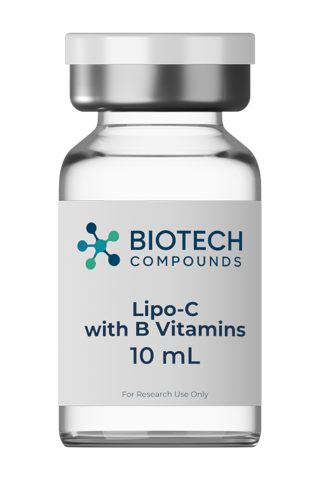
Lipo-C with B Vitamins fat-burning mechanisms have become a focal point in metabolic research, particularly for their dual action in promoting fat oxidation while preserving lean muscle mass. Lipo-C with B Vitamins fat-burning combines essential lipotropic agents with a comprehensive B-vitamin complex to create a research formulation that addresses multiple metabolic pathways simultaneously. Researchers studying body composition and metabolic efficiency have shown increasing interest in how these components work synergistically to influence cellular energy production and fat utilization.
The formulation contains choline as a primary lipotropic agent, L-carnitine for fatty acid transport, and a complete B-vitamin complex including thiamine (B1), riboflavin (B2), niacin (B3), pantothenic acid (B5), pyridoxine (B6), and methylcobalamin (B12). Each component contributes specific mechanisms that collectively enhance the body's natural fat-burning processes while supporting muscle tissue maintenance through improved cellular metabolism.
Lipo-C with B Vitamins Fat-Burning Mechanism of Action
The fat-burning properties of Lipo-C with B Vitamins stem from the coordinated action of its key components on cellular metabolism. L-carnitine facilitates the transport of long-chain fatty acids across the inner mitochondrial membrane, where beta-oxidation occurs. Without adequate L-carnitine, fatty acids cannot efficiently enter mitochondria for energy production, limiting the body's ability to utilize stored fat as fuel.
Choline supports fat metabolism through its role in phosphatidylcholine synthesis and lipid transport. As a lipotropic agent, choline helps prevent fatty acid accumulation in liver tissue and promotes the mobilization of stored lipids. Research has demonstrated that choline deficiency can impair fat oxidation and lead to hepatic lipid accumulation, highlighting its critical role in maintaining efficient fat-burning processes [1].
The B-vitamin complex enhances these fat-burning mechanisms by supporting enzymatic reactions involved in energy metabolism. Thiamine (B1) serves as a cofactor for pyruvate dehydrogenase and alpha-ketoglutarate dehydrogenase, crucial enzymes in glucose and fatty acid oxidation. Riboflavin (B2) forms flavin adenine dinucleotide (FAD), an essential cofactor for beta-oxidation enzymes. Niacin (B3) participates in NAD+ synthesis, supporting electron transport chain function during fat oxidation.
Pantothenic acid (B5) is incorporated into coenzyme A, which is essential for acetyl-CoA formation during fatty acid breakdown. Pyridoxine (B6) supports amino acid metabolism and helps maintain protein synthesis during periods of increased fat oxidation. Methylcobalamin (B12) participates in odd-chain fatty acid oxidation and supports cellular energy production pathways.
Muscle Preservation Mechanisms
The muscle preservation properties of Lipo-C with B Vitamins result from several interconnected mechanisms that protect lean tissue during fat-burning processes. L-carnitine plays a dual role by not only facilitating fat oxidation but also supporting muscle tissue maintenance through improved cellular energy production. Research indicates that adequate L-carnitine levels help preserve muscle protein synthesis while promoting fat utilization as the primary energy source [2].
Choline contributes to muscle preservation through its involvement in acetylcholine synthesis, which is essential for proper neuromuscular function. Additionally, choline's role in phosphatidylcholine production supports cell membrane integrity in muscle tissue. Studies have shown that choline supplementation can help maintain muscle function during periods of metabolic stress and enhanced fat oxidation.
The B-vitamin complex provides crucial support for muscle preservation through multiple pathways. Vitamin B6 is particularly important for protein metabolism and amino acid utilization, helping maintain nitrogen balance during fat-burning phases. Vitamin B12 supports protein synthesis and cellular division processes that are essential for muscle tissue maintenance. The complex also supports mitochondrial function in muscle cells, ensuring adequate energy production for muscle protein synthesis and repair processes.
Research has demonstrated that combined supplementation with these components can help maintain lean body mass while promoting fat loss, suggesting a synergistic effect that optimizes body composition changes. The formulation appears to create metabolic conditions that favor fat oxidation while providing the necessary cofactors and substrates for muscle tissue maintenance.
Research Findings on Fat Oxidation and Body Composition
Scientific studies examining the individual components of Lipo-C with B Vitamins have provided substantial evidence for their fat-burning and muscle preservation effects. L-carnitine supplementation studies have consistently shown improvements in fat oxidation rates and reductions in body fat percentage while maintaining or increasing lean body mass [3].
A comprehensive meta-analysis of L-carnitine research found that supplementation resulted in significant decreases in body weight and fat mass compared to control groups. The analysis revealed that L-carnitine's effects were most pronounced when combined with other metabolic cofactors, suggesting potential synergistic benefits when used as part of a multi-component formulation like Lipo-C with B Vitamins.
Choline research has demonstrated its importance in lipid metabolism and body composition regulation. Studies investigating choline intake and body composition have found inverse relationships between choline levels and body fat percentage. Research participants with higher choline status showed improved fat oxidation rates and better maintenance of lean tissue during caloric restriction periods [4].
B-vitamin complex research has revealed significant impacts on metabolic efficiency and body composition. Studies examining B-vitamin status in relation to fat oxidation have found that adequate levels of these vitamins are essential for optimal fat-burning capacity. Research has shown that B-vitamin deficiencies can impair fat oxidation while promoting muscle protein breakdown, highlighting the importance of comprehensive B-vitamin supplementation for body composition goals.
Combined supplementation studies, while limited, have shown promising results for multi-component formulations similar to Lipo-C with B Vitamins. Research examining lipotropic combinations has found enhanced fat loss and improved muscle preservation compared to individual component supplementation, supporting the rationale for comprehensive formulations targeting multiple metabolic pathways simultaneously.
Cellular and Molecular Mechanisms
The cellular mechanisms underlying Lipo-C with B Vitamins fat-burning effects involve complex interactions between metabolic pathways and gene expression patterns. L-carnitine influences peroxisome proliferator-activated receptor (PPAR) signaling, which regulates genes involved in fatty acid oxidation and mitochondrial biogenesis. Research has shown that L-carnitine supplementation can increase expression of genes encoding fat oxidation enzymes while supporting mitochondrial function in both muscle and liver tissue [5].
At the molecular level, choline affects methylation reactions that influence gene expression related to lipid metabolism. Choline serves as a methyl donor through its conversion to betaine, supporting DNA methylation patterns that favor fat oxidation gene expression. Studies have demonstrated that choline availability can influence the expression of genes involved in lipogenesis and lipolysis, potentially explaining its lipotropic effects.
The B-vitamin complex supports cellular fat-burning mechanisms through their roles as enzyme cofactors and their influence on mitochondrial function. Research has shown that B-vitamin adequacy is essential for maintaining optimal mitochondrial respiratory capacity and fat oxidation enzyme activity. The vitamins also support cellular antioxidant systems that protect against oxidative stress during increased fat oxidation periods.
Muscle preservation at the cellular level involves maintaining protein synthesis rates while supporting mitochondrial function in muscle tissue. The combination of L-carnitine and B-vitamins appears to create favorable conditions for muscle protein synthesis while promoting fat utilization, potentially through improved cellular energy status and enhanced amino acid utilization efficiency.
Applications in Metabolic Research
Researchers studying metabolic efficiency and body composition regulation have identified several potential applications for Lipo-C with B Vitamins in laboratory settings. Lipo-C with B Vitamins fat-burning's dual action on fat oxidation and muscle preservation makes it valuable for investigating metabolic flexibility and substrate utilization patterns under various experimental conditions.
Body composition research applications include studies examining the relationship between nutrient status and lean body mass maintenance during caloric restriction or increased energy expenditure. The formulation provides researchers with a tool to investigate how multiple metabolic cofactors work together to influence body composition outcomes, particularly the preservation of muscle tissue during fat loss phases.
Metabolic pathway research has utilized similar formulations to study the interactions between lipid metabolism, amino acid utilization, and cellular energy production. The comprehensive nature of Lipo-C with B Vitamins allows researchers to examine how supporting multiple metabolic pathways simultaneously affects overall metabolic efficiency and substrate utilization patterns.
Exercise physiology research has shown interest in compounds that can enhance fat oxidation while supporting muscle function and recovery. The combination of L-carnitine for fat transport, choline for neuromuscular function, and B-vitamins for energy metabolism provides researchers with a multi-faceted tool for investigating exercise-induced metabolic adaptations.
Aging research applications focus on how metabolic cofactor supplementation might help maintain muscle mass and metabolic function in aging populations. The muscle preservation properties of the formulation make it relevant for research into sarcopenia prevention and metabolic health maintenance throughout the lifespan.
Dosage Considerations and Research Protocols
Research protocols utilizing Lipo-C with B Vitamins must carefully consider component dosages and administration methods to achieve optimal fat-burning and muscle preservation effects. L-carnitine research has typically employed doses ranging from 1-3 grams daily, with higher doses showing enhanced fat oxidation effects in some studies. The bioavailability and tissue accumulation of L-carnitine can vary significantly based on baseline levels and administration protocols.
Choline requirements for lipotropic effects appear to exceed standard dietary intakes, with research protocols often utilizing doses of 1-2 grams daily to achieve measurable impacts on fat metabolism. The form of choline used can influence bioavailability and effectiveness, with some studies suggesting advantages for certain choline compounds in promoting fat oxidation.
B-vitamin dosing in research applications typically exceeds recommended dietary allowances to ensure optimal cofactor availability for enhanced metabolic processes. Research has shown that higher B-vitamin intakes may be necessary to support increased fat oxidation rates and maintain optimal metabolic function during periods of metabolic stress.
Timing considerations for administration may influence the effectiveness of Lipo-C with B Vitamins for fat-burning and muscle preservation applications. Some research suggests that administration timing relative to exercise or feeding periods can affect component utilization and metabolic outcomes, highlighting the importance of protocol design in research applications.
Safety Profile and Research Considerations
The safety profile of Lipo-C with B Vitamins components has been well-established through extensive research and clinical applications. L-carnitine supplementation has shown excellent safety in research settings, with minimal adverse effects reported even at higher doses. Lipo-C with B Vitamins fat-burning is naturally present in human tissues and food sources, contributing to its favorable safety profile in research applications.
Choline safety has been thoroughly investigated, with upper intake levels established based on comprehensive toxicology studies. Research applications utilizing choline within established safety parameters have shown minimal adverse effects, making it suitable for various research protocols investigating fat metabolism and body composition.
B-vitamin safety is well-documented due to their water-soluble nature and extensive research history. The vitamins included in the complex have established safety profiles with minimal toxicity concerns at research-relevant doses. However, researchers should consider potential interactions between B-vitamins and other research compounds or interventions.
Long-term research considerations include monitoring for potential cumulative effects of Lipo-C with B Vitamins fat-burning combined supplementation and ensuring appropriate washout periods between research phases. The multi-component nature of the formulation requires careful attention to individual component interactions and their combined effects on metabolic parameters.
Future Research Directions
Emerging research areas for Lipo-C with B Vitamins include investigating its effects on metabolic flexibility and substrate utilization patterns under various physiological conditions. Future studies may examine how Lipo-C with B Vitamins fat-burning influences the transition between fat and carbohydrate oxidation in response to dietary or exercise interventions, providing insights into metabolic adaptation mechanisms.
Molecular research directions include examining Lipo-C with B Vitamins fat-burning's effects on gene expression patterns related to fat oxidation and muscle maintenance. Advanced techniques such as transcriptomics and metabolomics may reveal previously unknown mechanisms through which the formulation influences cellular metabolism and body composition outcomes.
Personalized nutrition research may investigate how genetic variations affect individual responses to Lipo-C with B Vitamins supplementation. Understanding genetic factors that influence component metabolism and effectiveness could help optimize research protocols and improve the predictability of experimental outcomes.
Aging research applications may expand to include investigations of Lipo-C with B Vitamins fat-burning's effects on age-related changes in metabolic function and body composition. As populations age, understanding how metabolic cofactor supplementation can support healthy aging processes becomes increasingly important for research into longevity and healthspan optimization.
Conclusion
Lipo-C with B Vitamins represents a scientifically-grounded approach to enhancing fat-burning processes while preserving muscle tissue through the coordinated action of lipotropic compounds and essential B-vitamins. Research has demonstrated that the individual components work synergistically to support multiple metabolic pathways involved in fat oxidation, energy production, and muscle maintenance. Lipo-C with B Vitamins fat-burning's multi-faceted approach addresses the complex nature of metabolic regulation, providing researchers with a comprehensive tool for investigating body composition and metabolic efficiency. For researchers interested in exploring the fat-burning and muscle preservation potential of this formulation, explore Lipo-C with B Vitamins for laboratory research applications. Learn more about Lipo-C with B Vitamins research.