
Introduction
The field of metabolic research has witnessed a revolutionary advancement with the development of Retatrutide triple agonist, a synthetic peptide that challenges conventional single-target therapeutic approaches. Unlike traditional receptor agonists that focus on individual pathways, Retatrutide simultaneously activates three critical metabolic receptors: GLP-1, GIP, and glucagon receptors. The 39-amino acid acylated peptide represents a paradigm shift in how researchers approach metabolic regulation studies, offering unprecedented insights into the interconnected nature of hormonal pathways governing energy homeostasis.
Research institutions worldwide are investigating this triple agonist approach, recognizing that metabolic disorders rarely stem from dysfunction in a single pathway. The complexity of metabolic regulation demands sophisticated tools that can address multiple targets simultaneously, making Retatrutide triple agonist an invaluable research compound for advancing our understanding of integrated metabolic control mechanisms.

Retatrutide Triple Agonist Mechanism of Action
The mechanism underlying Retatrutide triple agonist function involves coordinated activation of three distinct receptor systems that work synergistically to regulate metabolic processes. The GLP-1 receptor component enhances glucose-dependent insulin secretion while suppressing inappropriate glucagon release, mechanisms well-established in incretin research. The GIP receptor activation contributes additional insulinotropic effects and influences lipid metabolism through pathways that complement GLP-1 signaling.
The glucagon receptor component distinguishes Retatrutide from dual agonists currently in development. Glucagon receptor activation promotes energy expenditure through thermogenesis and influences hepatic glucose production, creating a balanced metabolic profile when combined with the other two receptor activities. The fatty acid modification (acylation) extends Retatrutide triple agonist's half-life through albumin binding, allowing for sustained receptor engagement that better mimics physiological hormone dynamics.
Structural analysis reveals that the 39-amino acid sequence contains specific domains responsible for each receptor interaction, with the acyl chain modification positioned to avoid interference with receptor binding while providing the necessary pharmacokinetic properties. Research teams studying Retatrutide have identified distinct conformational changes that occur upon binding to each receptor type, suggesting sophisticated molecular recognition mechanisms that enable selective activation of multiple targets.
Research Findings and Clinical Development
Preclinical studies have demonstrated that Retatrutide triple agonist produces superior metabolic effects compared to single or dual agonist approaches. Phase I clinical trials revealed dose-dependent weight reduction, with subjects experiencing significant decreases in body weight alongside improvements in glycemic control parameters [1]. The triple agonist approach generated more pronounced effects than historical data from GLP-1 receptor agonists alone, supporting the hypothesis that multi-target activation provides enhanced therapeutic potential.
Phase II trials examining Retatrutide in metabolic research contexts showed remarkable weight loss results, with some participants achieving reductions exceeding 20% of baseline body weight at higher doses [2]. These findings represent some of the most substantial weight loss effects documented in pharmacological intervention studies, suggesting that the triple agonist mechanism addresses multiple aspects of energy balance regulation simultaneously.
Researchers have observed that Retatrutide triple agonist influences both energy intake and energy expenditure, a dual action that may explain its superior efficacy profile. Metabolic chamber studies indicate increased thermogenesis alongside reduced caloric intake, demonstrating that Retatrutide triple agonist affects both sides of the energy balance equation. Laboratory investigations continue to explore the molecular pathways responsible for these coordinated effects, with particular focus on hypothalamic signaling networks that integrate peripheral metabolic signals.
Comparative Analysis with Existing Compounds
The emergence of Retatrutide triple agonist represents a significant advancement beyond existing metabolic research compounds. Traditional GLP-1 receptor agonists like liraglutide and semaglutide target single pathways, achieving meaningful but limited metabolic effects. Dual agonists combining GLP-1 and GIP receptor activation, such as tirzepatide, demonstrated improved efficacy over single agonists, establishing proof of concept for multi-target approaches.
Retatrutide extends this concept by incorporating glucagon receptor activation, creating a truly integrated metabolic intervention. Comparative studies suggest that the triple agonist produces weight loss effects that exceed those observed with dual agonists, while maintaining favorable safety profiles observed in earlier trials [3]. The addition of glucagon receptor activity appears to enhance energy expenditure without compromising the glucose-lowering effects of Retatrutide triple agonist GLP-1 and GIP activation.
Research teams comparing metabolic responses across different agonist classes have identified distinct patterns of gene expression and metabolic pathway activation with Retatrutide triple agonist treatment. Proteomic analyses reveal changes in hepatic and adipose tissue protein expression that differ qualitatively from single agonist treatments, suggesting that multi-target activation engages additional regulatory networks not accessed by simpler interventions.

Laboratory Applications and Research Protocols
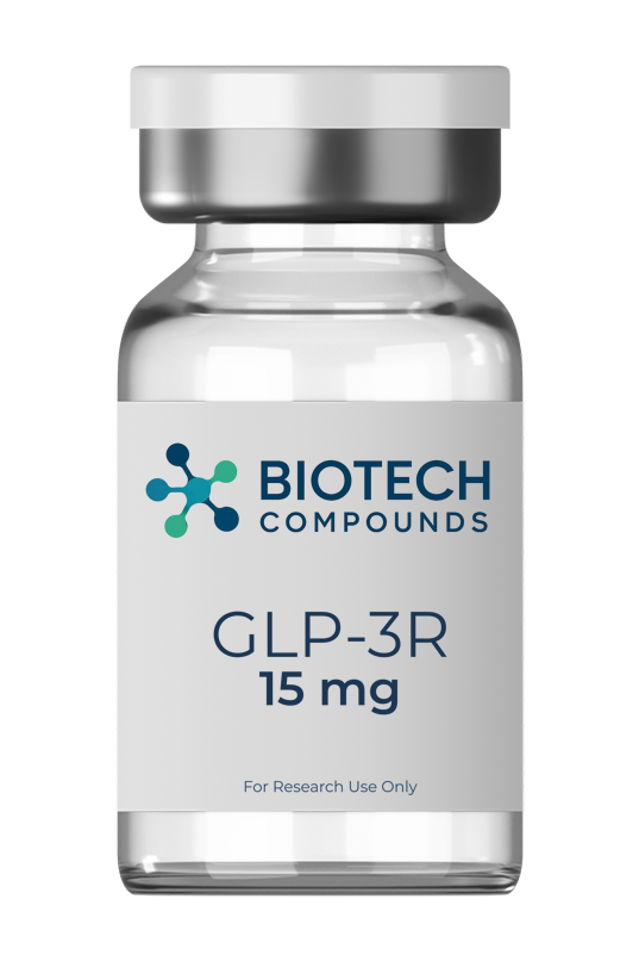
Research laboratories utilizing Retatrutide triple agonist must consider specific handling and preparation requirements for optimal experimental outcomes. Retatrutide triple agonist is provided as a lyophilized powder requiring reconstitution with bacteriostatic water, with storage at -20°C protected from light to maintain peptide stability. Researchers should prepare fresh solutions for each experimental session, as the acylated peptide structure may be sensitive to repeated freeze-thaw cycles.
Experimental protocols investigating Retatrutide typically examine dose-response relationships across multiple metabolic parameters. Standard research approaches include measurement of food intake, body weight changes, glucose tolerance, and energy expenditure using metabolic chambers or indirect calorimetry. Advanced studies may incorporate tissue-specific gene expression analysis, hormone level measurements, and metabolomic profiling to understand comprehensive metabolic responses.
Cell culture studies using Retatrutide triple agonist require careful attention to receptor expression levels in chosen cell lines, as Retatrutide triple agonist's effects depend on the presence of all three target receptors. Researchers often use transfected cell systems expressing human GLP-1, GIP, and glucagon receptors to study individual receptor contributions to overall compound activity. Signaling pathway investigations typically examine cyclic AMP levels, protein kinase A activation, and downstream transcriptional responses in receptor-positive cell lines.
Future Research Directions
The success of Retatrutide triple agonist in early clinical development has opened new avenues for metabolic research and drug discovery. Scientists are exploring whether additional receptor targets could be incorporated into multi-agonist compounds, potentially creating quadruple or quintuple agonists that address even broader aspects of metabolic regulation. Retatrutide triple agonist engineering approaches used to create Retatrutide provide a template for designing other multi-target compounds.
Long-term studies examining Retatrutide's effects on metabolic health parameters beyond weight loss are currently underway. Researchers are particularly interested in cardiovascular outcomes, given the established cardiovascular benefits of GLP-1 receptor agonists and the potential additional effects from GIP and glucagon receptor activation. These studies will determine whether the triple agonist approach provides comprehensive metabolic benefits that extend beyond individual receptor activities.
Mechanistic research continues to explore the molecular basis for Retatrutide's enhanced efficacy compared to single agonists. Advanced imaging techniques, including PET scanning with metabolic tracers, are being used to understand how Retatrutide triple agonist influences brain regions involved in appetite regulation and energy expenditure control. These investigations may reveal new aspects of metabolic regulation that could inform future therapeutic development.
Safety and Research Considerations
Laboratory research with Retatrutide triple agonist requires adherence to standard peptide handling protocols and appropriate safety measures. Retatrutide triple agonist is intended exclusively for research purposes and requires proper laboratory infrastructure for storage, preparation, and disposal. Researchers must maintain detailed records of compound usage and follow institutional guidelines for handling research peptides.
Experimental design considerations include appropriate control groups and statistical power calculations, given the potent effects observed with Retatrutide in preliminary studies. Research teams should consider potential interactions with other experimental compounds and the impact of Retatrutide triple agonist's extended half-life on experimental timelines. The acylated structure may require longer washout periods between treatments compared to shorter-acting peptides.
Safety monitoring in research applications should include regular assessment of experimental subjects for signs of gastrointestinal effects, which represent the most common adverse events observed with incretin-based compounds. Researchers conducting longer-term studies should implement appropriate monitoring protocols to track both efficacy and safety parameters throughout experimental periods.
Conclusion
Retatrutide triple agonist represents a transformative advancement in metabolic research, offering scientists unprecedented opportunities to investigate integrated hormonal regulation of energy balance. Retatrutide triple agonist's ability to simultaneously activate GLP-1, GIP, and glucagon receptors provides insights into the complex interconnections between metabolic pathways that single-target approaches cannot reveal. As research continues to demonstrate superior efficacy compared to existing compounds, Retatrutide is establishing new paradigms for understanding metabolic regulation.
The implications of triple agonist research extend beyond immediate applications, suggesting that future therapeutic development may increasingly focus on multi-target approaches that address the complexity of metabolic disorders. For research institutions seeking to advance metabolic science, explore Retatrutide represents an opportunity to participate in the next generation of metabolic research and contribute to our evolving understanding of energy homeostasis regulation. Learn more about Retatrutide research.