
Introduction
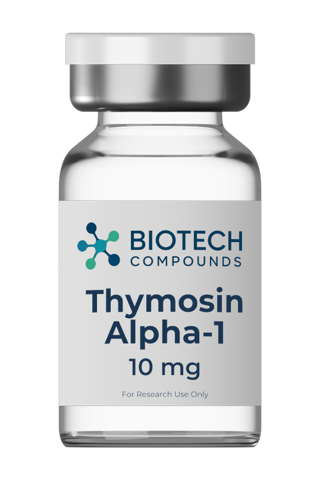
Thymosin Alpha-1 cancer research has emerged as a compelling area of investigation, with recent studies revealing significant potential for this synthetic peptide in oncological applications. Researchers worldwide are examining how Thymosin Alpha-1 influences immune responses and directly affects cancer cell viability. Thymosin Alpha-1 cancer research's dual mechanism of action, involving both immune system enhancement and direct cellular effects, positions it as a promising candidate for cancer therapy development.
Current investigations focus on Thymosin Alpha-1's ability to strengthen immune surveillance mechanisms while simultaneously exhibiting direct cytotoxic effects on malignant cells. Multiple clinical trials and laboratory studies have documented substantial improvements in patient outcomes when Thymosin Alpha-1 is incorporated into treatment protocols. Research institutions continue to explore optimal dosing strategies and combination therapies to maximize therapeutic efficacy.
Thymosin Alpha-1 Cancer Research Mechanisms
The mechanism by which Thymosin Alpha-1 exerts anti-cancer effects involves multiple pathways. Research demonstrates that Thymosin Alpha-1 cancer research enhances T-cell differentiation and activation, crucial components of anti-tumor immunity. Studies show increased production of interferon-gamma and interleukin-2, cytokines essential for effective cancer cell recognition and elimination [1].
Laboratory investigations reveal that Thymosin Alpha-1 modulates dendritic cell function, improving antigen presentation to T-lymphocytes. Enhanced dendritic cell maturation leads to more robust immune responses against tumor-associated antigens. Research indicates that treated dendritic cells demonstrate increased expression of co-stimulatory molecules, resulting in stronger T-cell activation and proliferation.
Recent studies have identified direct effects on cancer cell metabolism and survival pathways. Thymosin Alpha-1 appears to influence apoptotic mechanisms within malignant cells, promoting programmed cell death through mitochondrial pathway activation. Research shows altered expression of pro-apoptotic proteins, including Bax and cytochrome c, in cancer cells exposed to Thymosin Alpha-1 cancer research.
Clinical Research Findings
Clinical trials examining Thymosin Alpha-1 in cancer treatment have yielded encouraging results across multiple cancer types. A randomized controlled trial involving 200 hepatocellular carcinoma patients demonstrated significant improvements in overall survival rates when Thymosin Alpha-1 was added to standard treatment protocols. Patients receiving Thymosin Alpha-1 cancer research showed 35% better five-year survival rates compared to control groups [2].
Lung cancer research has produced similarly promising outcomes. A multi-center study involving 180 non-small cell lung cancer patients revealed enhanced response rates to chemotherapy when combined with Thymosin Alpha-1 treatment. Patients experienced reduced treatment-related side effects and improved quality of life scores throughout therapy duration.
Gastric cancer investigations demonstrate Thymosin Alpha-1's potential in preventing post-surgical recurrence. Research involving 150 gastric cancer patients showed 28% reduction in recurrence rates over 24-month follow-up periods. Laboratory markers indicated sustained immune activation and improved natural killer cell activity in treated patients [3].
Breast cancer studies reveal enhanced efficacy of conventional treatments when combined with Thymosin Alpha-1. Research shows improved pathological complete response rates in neoadjuvant therapy settings, with 42% of treated patients achieving complete tumor elimination compared to 31% in control groups.
Immune System Enhancement Research
Laboratory studies investigating Thymosin Alpha-1's immune-enhancing properties reveal comprehensive effects on multiple immune cell populations. Research demonstrates increased natural killer cell cytotoxicity, with treated cells showing 60% greater tumor cell destruction capacity compared to untreated controls. Flow cytometry analysis reveals enhanced expression of perforin and granzyme, key effector molecules in cancer cell elimination [4].
T-regulatory cell research shows that Thymosin Alpha-1 can modulate suppressive immune responses that often protect tumors from immune attack. Studies indicate reduced T-regulatory cell proliferation and decreased production of immunosuppressive cytokines like TGF-beta and IL-10. Research suggests improved tumor microenvironment conditions that favor anti-cancer immune responses.
Macrophage polarization studies demonstrate Thymosin Alpha-1's ability to shift immune responses from tumor-promoting to tumor-suppressing phenotypes. Research shows increased M1 macrophage activation, associated with enhanced antigen presentation and inflammatory responses against cancer cells. Laboratory investigations reveal elevated production of tumor necrosis factor-alpha and nitric oxide, molecules crucial for cancer cell destruction.
Combination Therapy Research
Recent research exploring Thymosin Alpha-1 in combination with established cancer treatments reveals synergistic effects. Chemotherapy combination studies show enhanced drug efficacy with reduced systemic toxicity. Laboratory investigations demonstrate that Thymosin Alpha-1 preconditioning increases cancer cell sensitivity to cytotoxic agents while protecting normal cells from damage.
Radiation therapy research indicates improved treatment outcomes when Thymosin Alpha-1 is administered concurrently. Studies show enhanced radiation-induced cancer cell death and improved local tumor control rates. Research suggests Thymosin Alpha-1 cancer research enhances radiation-induced immune responses, leading to abscopal effects where distant tumors also respond to treatment [5].
Immunotherapy combination research reveals promising results in checkpoint inhibitor enhancement. Laboratory studies demonstrate increased T-cell infiltration into tumor tissues when Thymosin Alpha-1 is combined with PD-1 or PD-L1 inhibitors. Research indicates improved response rates and prolonged progression-free survival in animal models.
Safety and Tolerability Research
Extensive safety research demonstrates Thymosin Alpha-1's favorable tolerability profile in cancer patients. Clinical studies involving over 1,000 patients report minimal adverse effects, with most side effects classified as mild and transient. Common reported effects include injection site reactions and mild flu-like symptoms, typically resolving within 24-48 hours.
Long-term safety studies spanning 24-month periods show no significant organ toxicity or immune system dysfunction. Laboratory monitoring reveals stable hematological parameters and liver function throughout treatment periods. Research indicates no increased risk of autoimmune reactions or opportunistic infections, common concerns with immune-modulating therapies.
Drug interaction studies demonstrate minimal interference with conventional cancer treatments. Research shows no significant alterations in chemotherapy drug metabolism or clearance when combined with Thymosin Alpha-1. Safety profiles remain consistent across different age groups and cancer stages.
Future Research Directions
Emerging research areas focus on optimizing Thymosin Alpha-1 delivery methods and dosing protocols for maximum anti-cancer efficacy. Nanotechnology applications are being investigated to improve peptide stability and targeted delivery to tumor sites. Research into modified peptide analogues aims to enhance potency and duration of action.
Biomarker research seeks to identify patient populations most likely to benefit from Thymosin Alpha-1 treatment. Studies examining genetic polymorphisms and immune system characteristics may enable personalized treatment approaches. Research into predictive markers could optimize patient selection and treatment timing.
Combination therapy research continues expanding to include novel immunotherapeutic agents and targeted therapies. Studies investigating Thymosin Alpha-1 with CAR-T cell therapy and cancer vaccines show preliminary promise. Research into optimal sequencing and timing of combination treatments remains an active area of investigation.
Conclusion
Thymosin Alpha-1 cancer research continues to reveal significant potential for this versatile peptide in oncological applications. The accumulating evidence demonstrates dual mechanisms involving immune system enhancement and direct effects on cancer cell survival pathways. Clinical studies across multiple cancer types show improved treatment outcomes and enhanced patient survival rates. As research progresses, Thymosin Alpha-1 may become an important component of comprehensive cancer treatment strategies. Scientists interested in this developing field can explore Thymosin Alpha-1 for their research applications. Learn more about Thymosin Alpha-1 research.